POLYU SCHOOL OF DESIGN / SD2112 / WEEK 09
Inside the feed.
AI bias, technological mediation and reflective use.
POLYU SCHOOL OF DESIGN / SD2112 / WEEK 09
Inside the feed.
AI bias, technological mediation and reflective use.
TODAY / FROM EXAMPLES TO REFLECTIVE USE
What shapes the next choice?
See how a system selects, ranks and learns.
Distinguish a learned pattern from an unfair outcome.
Ask how technology changes what we notice and do.
Find harmful bias. Research ways to reduce it.
SD2112 · AI IN DESIGN · WEEK 09
02

DISCUSS / USER GOAL / SYSTEM PROXY / PERSON LEFT OUT
Selected for you.
By whose objective?
SD2112 · AI IN DESIGN · WEEK 09
03
01 / 10-25 / HOW SYSTEMS SELECT
How a feed selects.
From the available pool to what you actually see.
SD2112 · AI IN DESIGN · WEEK 09
04
SYSTEM REPORT / NOT A PARTICIPANT EXPERIMENT / R1
How does YouTube narrow the choice?
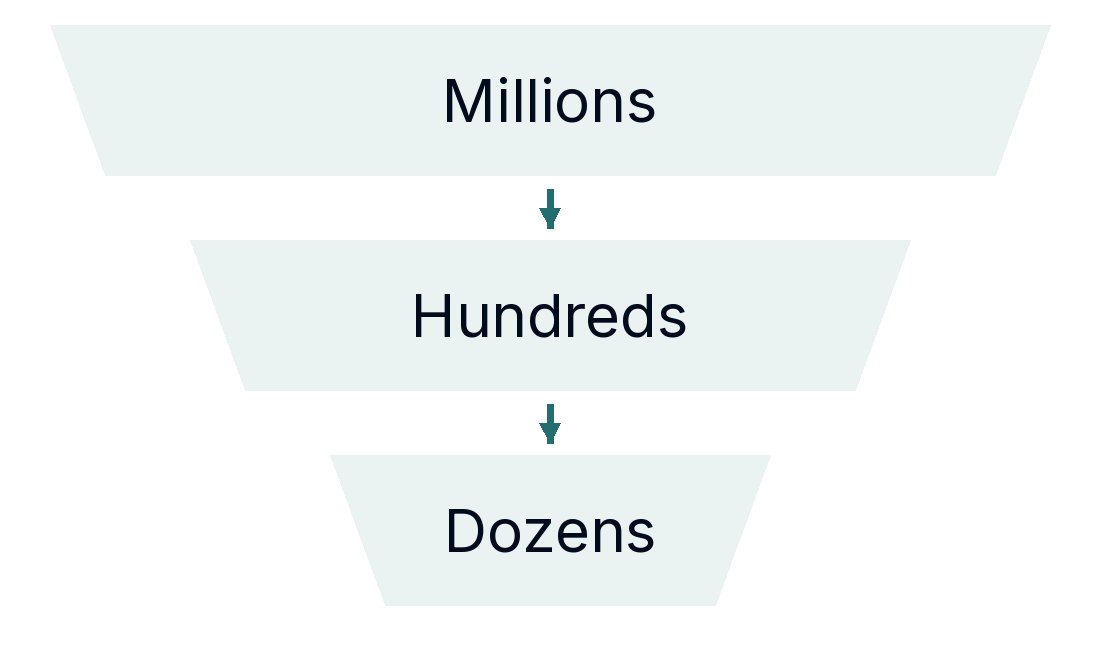
WHAT IT DOES
Pick possible videos, then order them.
INVENTED EXAMPLE
Pick 100 workshops; show 10. If pottery misses the 100, ranking cannot rescue it.
DESIGN LESSON
Check what gets left out before ranking.
2016 system: compared model and feed versions. Engagement is not wellbeing.
SD2112 · AI IN DESIGN · WEEK 09
05
READ THE SOURCE / RESULT + LIMIT / R1
First retrieve. Then rank.
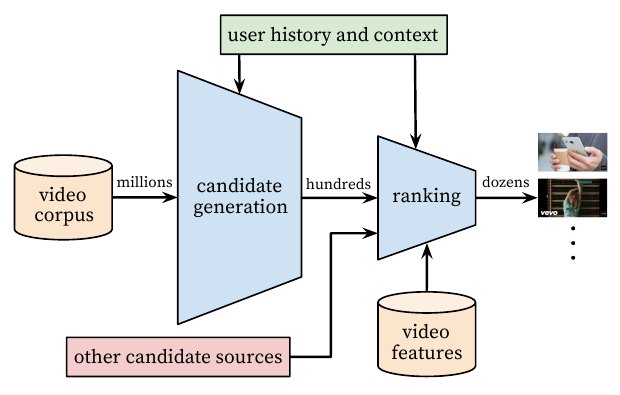
Millions -> hundreds -> dozens.
Architecture, not an effect size.
2016 system.
Prediction and engagement, not wellbeing.
Excluded upstream?
Ranking cannot rescue it.
Figure 2 / PDF p.2 / RecSys 2016
SD2112 · AI IN DESIGN · WEEK 09
06
10-25 / MECHANISM / ORIGINAL TEACHING SCHEMA
The feed is several decisions.
POOL
What exists?
>
CANDIDATES
What is eligible?
>
RANK
What comes first?
>
PRESENT
What gets seen?
>
FEEDBACK
What is recorded?
Feedback can change later suggestions.
People may change too; this is not inevitable.
SD2112 · AI IN DESIGN · WEEK 09
07
CONTENT MATCHING / INVENTED FILMS
Similar to what you liked.
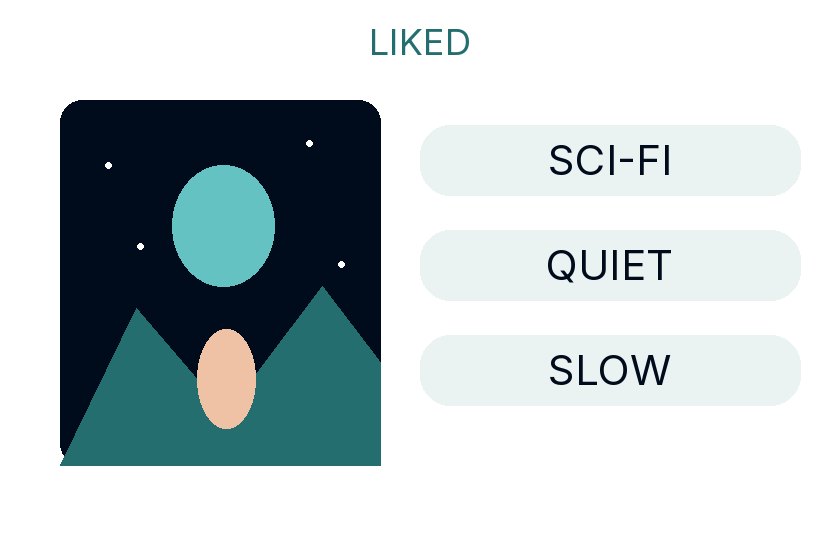
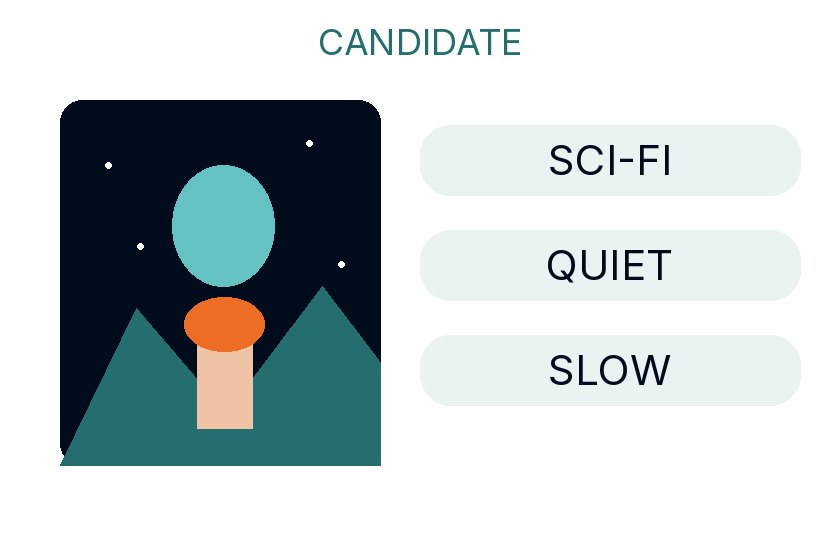
Matching features suggest a candidate, not tonight's perfect film.
SD2112 · AI IN DESIGN · WEEK 09
08
EMBEDDINGS / TOY GEOMETRY
Near depends on the representation.
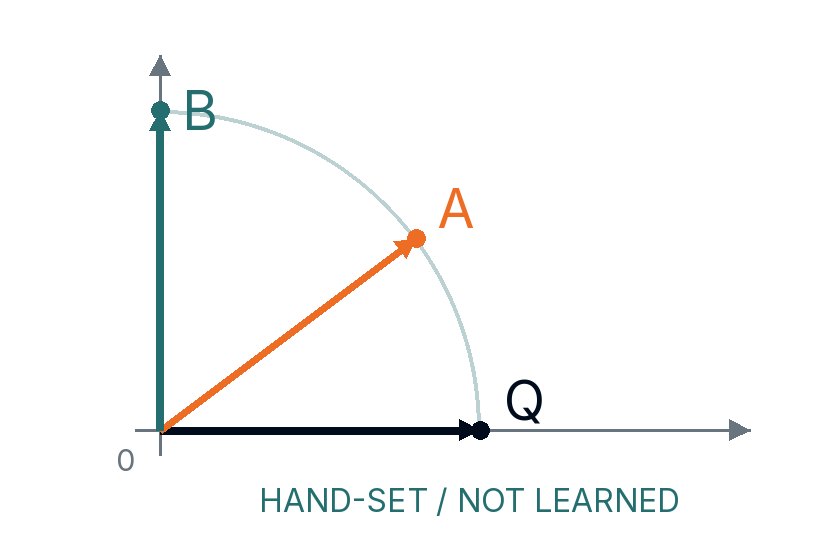
Q = [1, 0]
A = [0.8, 0.6]
cosine(Q,A) = 0.8
B = [0, 1]
cosine(Q,B) = 0
Near does not mean true, fair or suitable.
SD2112 · AI IN DESIGN · WEEK 09
09
COLLABORATIVE FILTERING / MADE-UP INTERACTIONS
Learn from a pattern of choices.
PERSON
FILM A
FILM B
FILM C
You
A: liked
B: liked
C: ?
Person P
A: liked
B: liked
C: liked
Person Q
A: ?
B: disliked
C: liked
? means unobserved, not disliked. A shared history suggests a candidate, not certainty.
SD2112 · AI IN DESIGN · WEEK 09
10
COLD START / SPARSE DATA
What can the system honestly infer?
NEW PERSON
No history yet.
Ask an optional preference, offer a useful default, or let the person browse.
NEW ITEM
Few interactions.
Use item information or explore. Popularity alone can leave new items unseen.
MISSING SIGNAL
No click is ambiguous.
Was it irrelevant, inaccessible, unseen, or simply not needed today?
SD2112 · AI IN DESIGN · WEEK 09
11
SPOKEN REFLECTION / NO COLLECTION
A reason is not the whole mechanism.
"Because you liked Film A."
Does this explain selection, order or visibility?
Which hidden choice matters?
What evidence makes the explanation faithful?
SD2112 · AI IN DESIGN · WEEK 09
12
02 / 25-45 / WHEN PATTERNS BECOME PROBLEMS
Whose errors count?
From noisy proxies to the people hidden by averages.
SD2112 · AI IN DESIGN · WEEK 09
13
BIAS / ONE WORD, DIFFERENT CLAIMS
Learning is selective. Is it unfair?
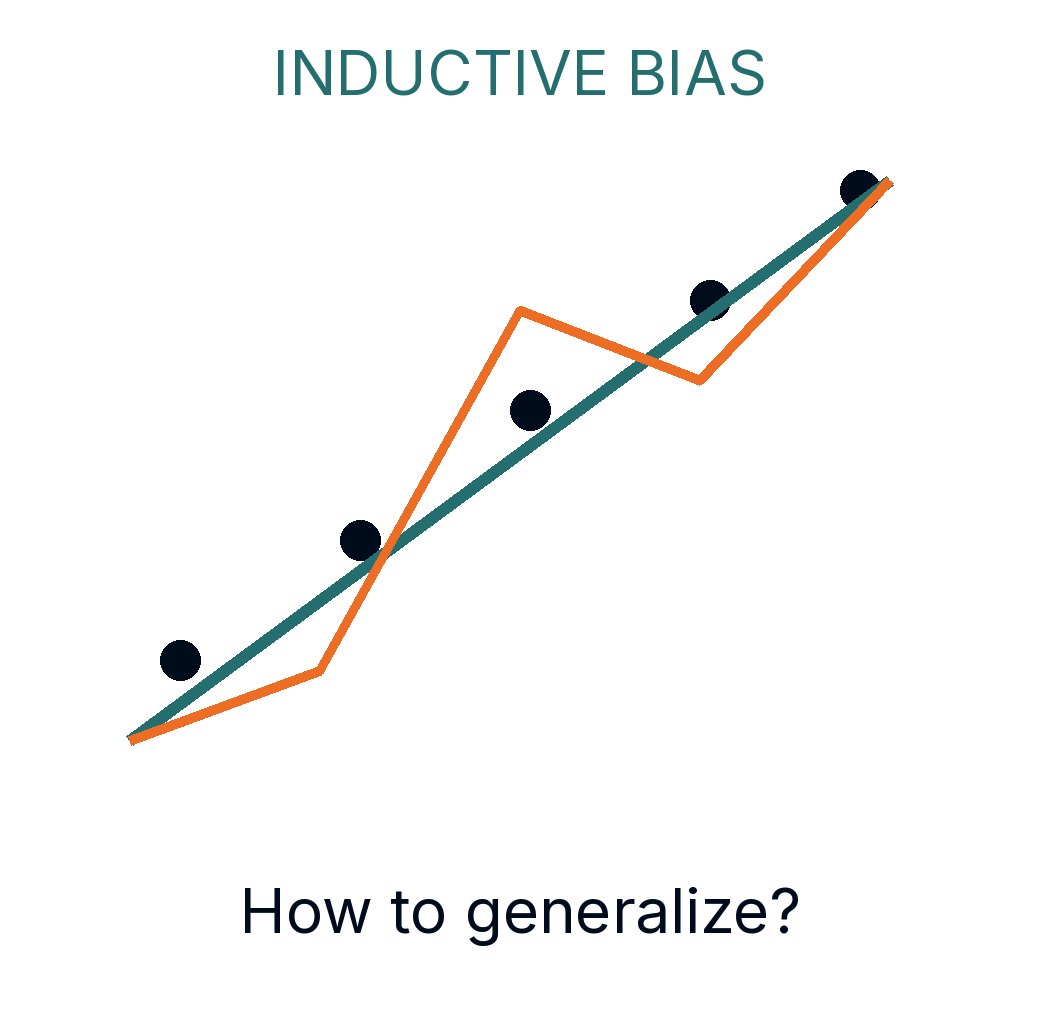
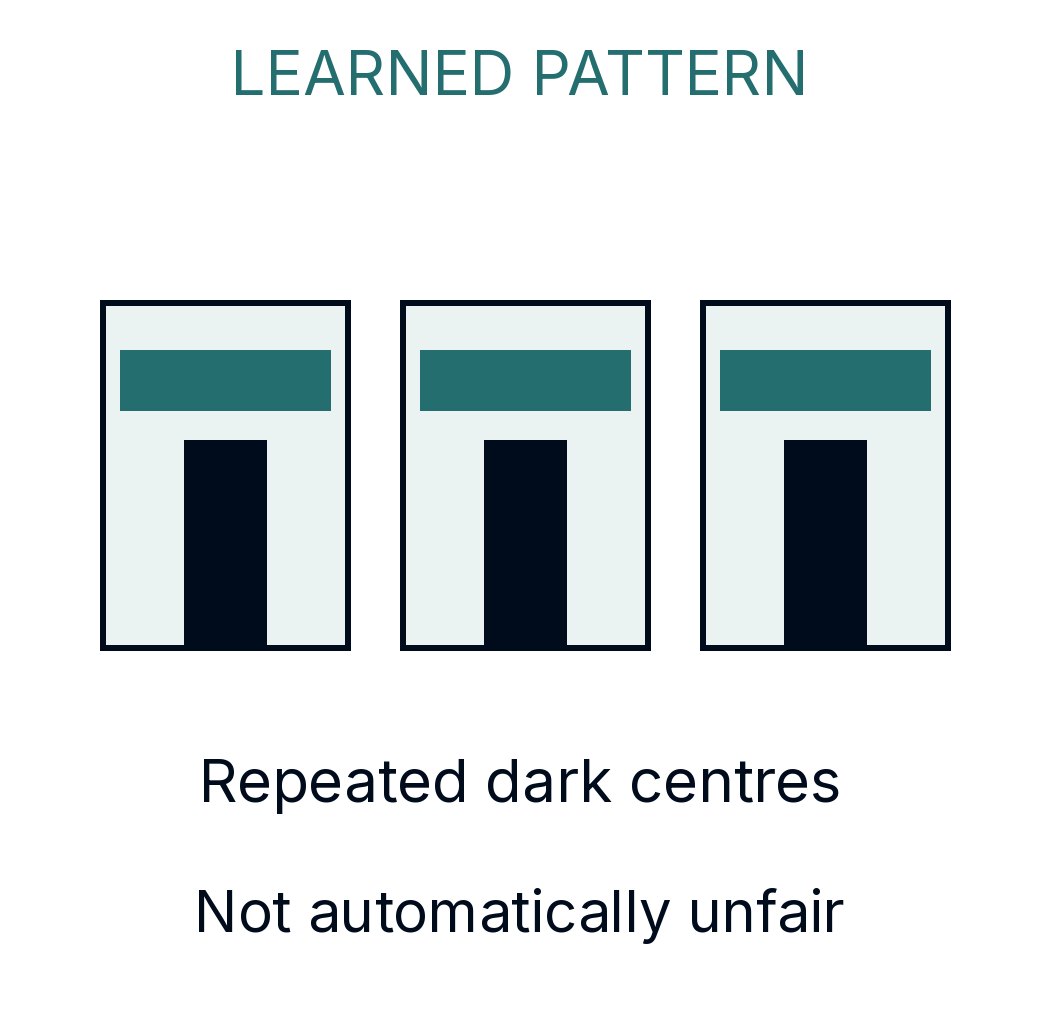
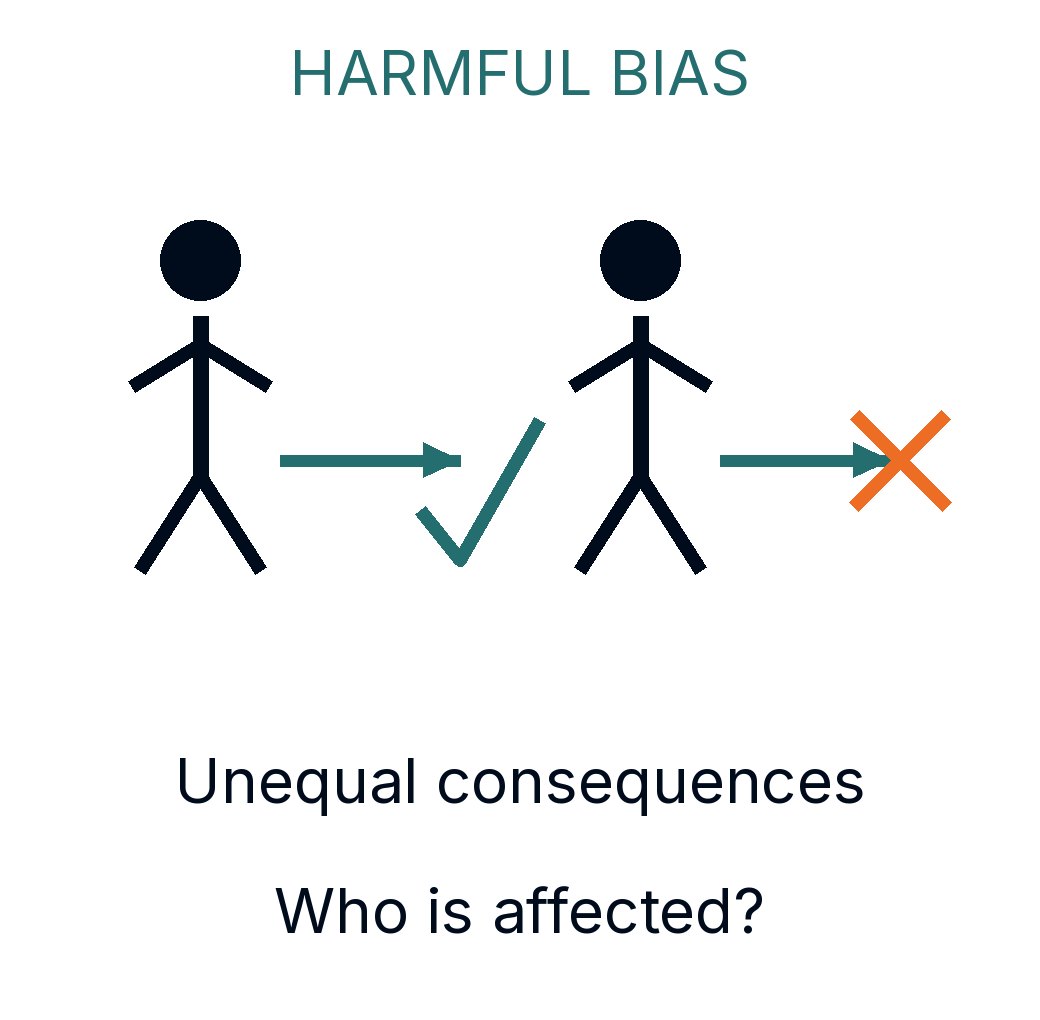
Learning needs assumptions. Harm needs evidence.
SD2112 · AI IN DESIGN · WEEK 09
14
VALUE / MEASURE
A click is not the user goal.
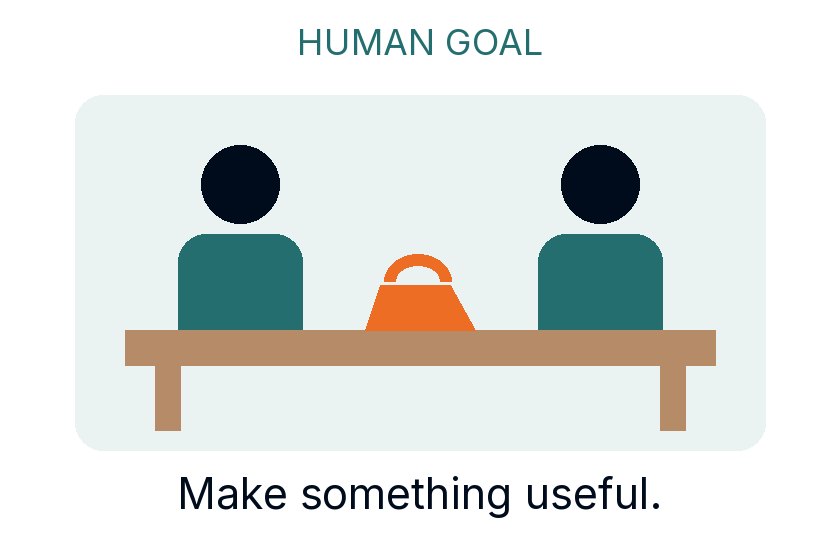
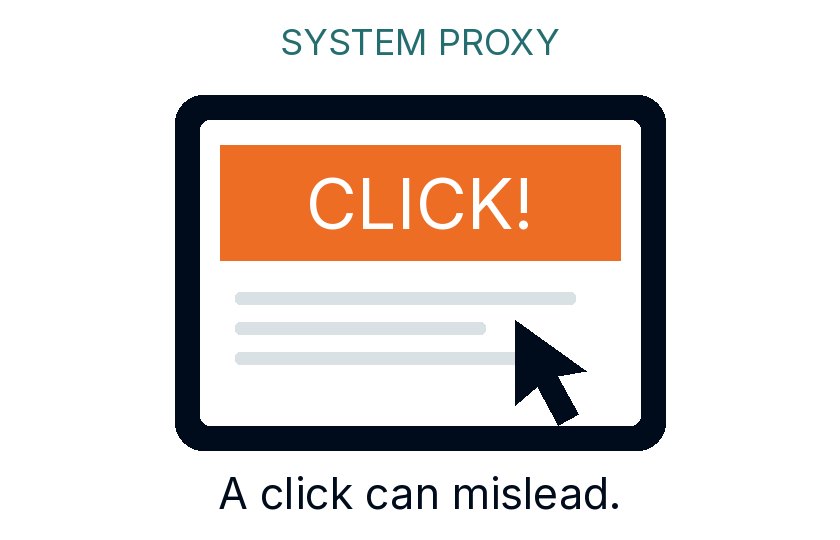
Measure task success, not just clicks.
SD2112 · AI IN DESIGN · WEEK 09
15
FEEDBACK / CONCEPTUAL LOOP
The next screen changes the next data.
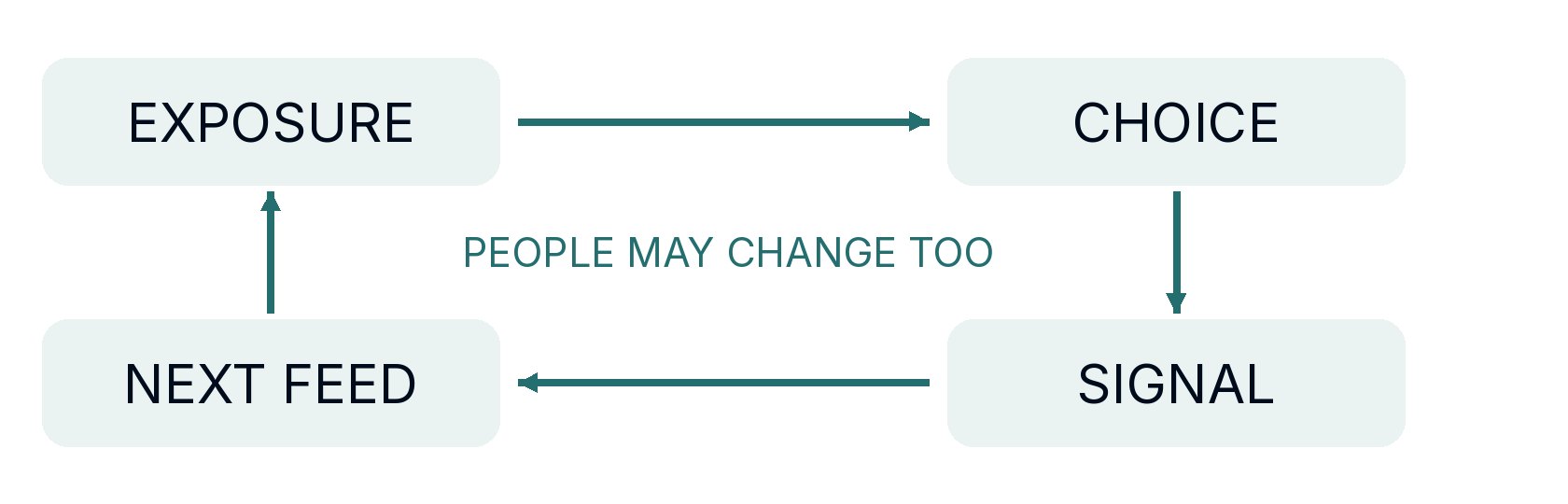
Possible feedback, not a measured universal law.
SD2112 · AI IN DESIGN · WEEK 09
16
EXPOSURE / ILLUSTRATIVE FEEDS
Diversity is a decision to specify.
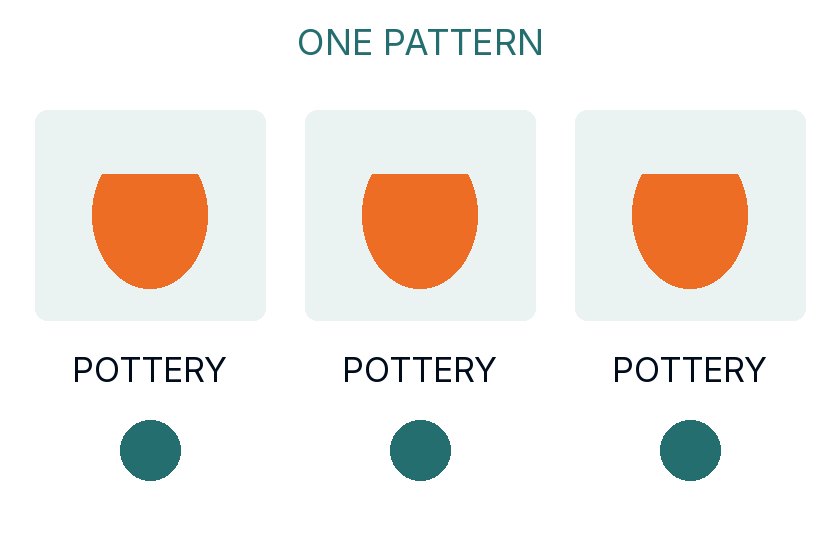
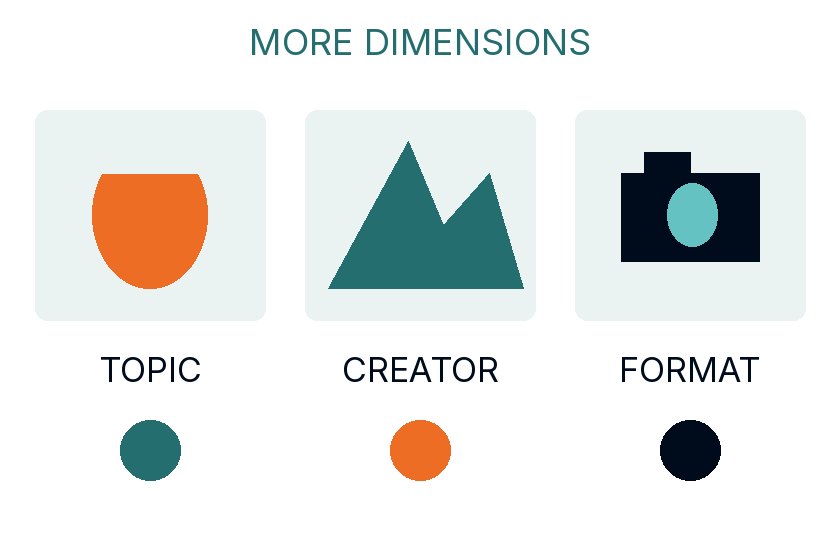
More variety is not proof of reduced polarization.
SD2112 · AI IN DESIGN · WEEK 09
17
BIAS / LOCATE A DECISION, NOT JUST A BAD OUTPUT
Where can a pattern become a problem?
COLLECTION + LABELS
Who is represented?
Who is missing? Who decides what counts as relevant, safe or successful?
OBJECTIVE + RULES
Who gains visibility?
What gets rewarded, filtered out or treated as an acceptable error?
INTERACTION
Who gets reinforced?
Whose past exposure becomes evidence for what should be shown next?
SD2112 · AI IN DESIGN · WEEK 09
18
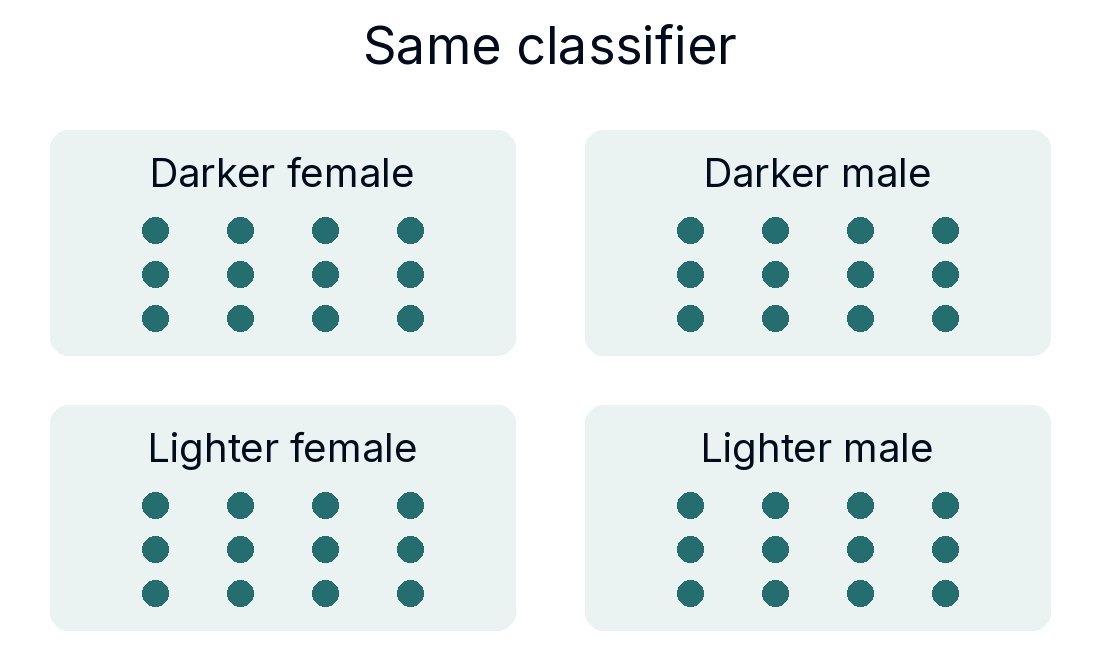
THE AUDIT / HISTORICAL CLASSIFIERS / R4
Who disappears inside an average?
WHAT THEY DID
Test 3 gender classifiers on 1,270 portraits in 2017. Compare groups.
INVENTED EXAMPLE
5 wrong labels out of 100 tested = 5% error.
FAIR COMPARISON
Compare percentages, not raw error counts.
Historical binary labels; not identification. Dots are not sample counts.
SD2112 · AI IN DESIGN · WEEK 09
19
READ THE SOURCE / RESULT + LIMIT / R4
Read the error row, not just the average.
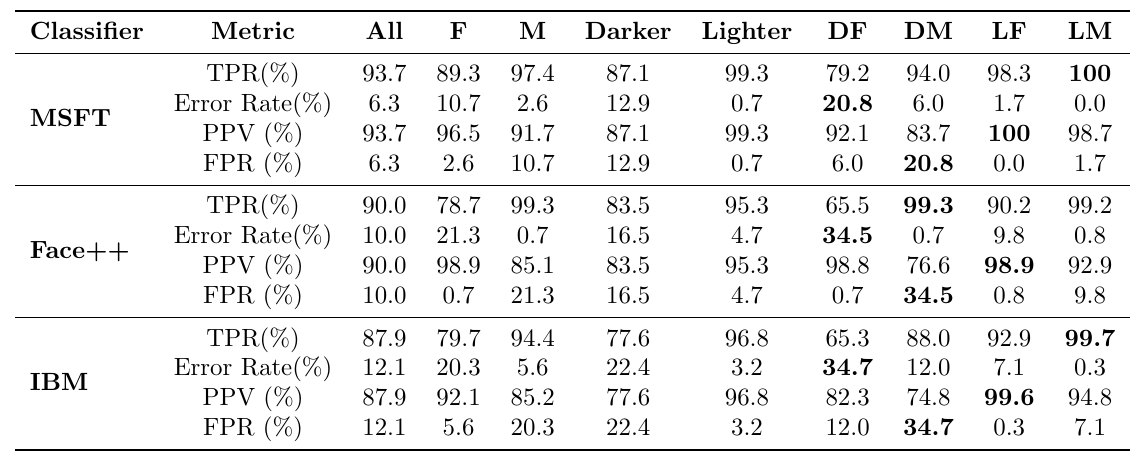
DF/DM: darker female/male.
LF/LM: lighter female/male.
IBM error: All 12.1%.
DF 34.7% / LM 0.3%.
Within-group rates.
2017 binary classification.
Not identification.
Causes/current rates unknown.
Table 4 / PDF p.9 / PMLR 2018
SD2112 · AI IN DESIGN · WEEK 09
20
DOCUMENTATION PROPOSAL / NOT AN EXPERIMENT / R5
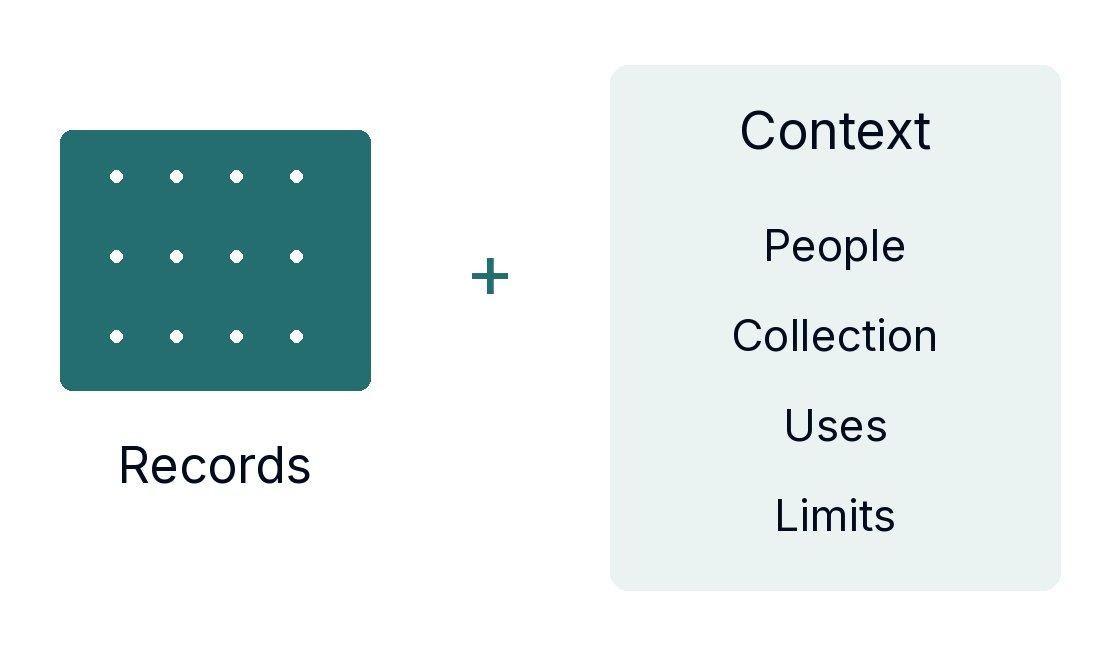
What should travel with a dataset?
WHAT THEY PROPOSE
Send a dataset with its backstory, not just its records.
INVENTED EXAMPLE
A workshop is tagged "relevant". Who chose that label? Who paid them?
DESIGN LESSON
Record what is known - and what is missing.
No experiment established improved fairness.
SD2112 · AI IN DESIGN · WEEK 09
21
READ THE SOURCE / RESULT + LIMIT / R5
Ask who did the work.

Who collected the data?
How were they paid?
Trace collection,
labels and correction.
Documentation makes questions visible.
It does not certify fairness.
Section 3.3 excerpt / PDF p.7 / arXiv v8
SD2112 · AI IN DESIGN · WEEK 09
22
PRIVACY / A DATA BOUNDARY IS A DESIGN CHOICE
Useful does not mean necessary.
Collect. Infer. Retain. Share. Different decisions.
Which field or inference can you avoid?
What changes after correction, refusal or deletion?
Removing names does not establish anonymity.
SD2112 · AI IN DESIGN · WEEK 09
23
03 / 45-60 / TECHNOLOGICAL MEDIATION
Not just a mirror.
How a technology shapes what we notice, judge and do.
SD2112 · AI IN DESIGN · WEEK 09
24
FROM LEARNING TO MEDIATION
Whose humanity does AI reflect?
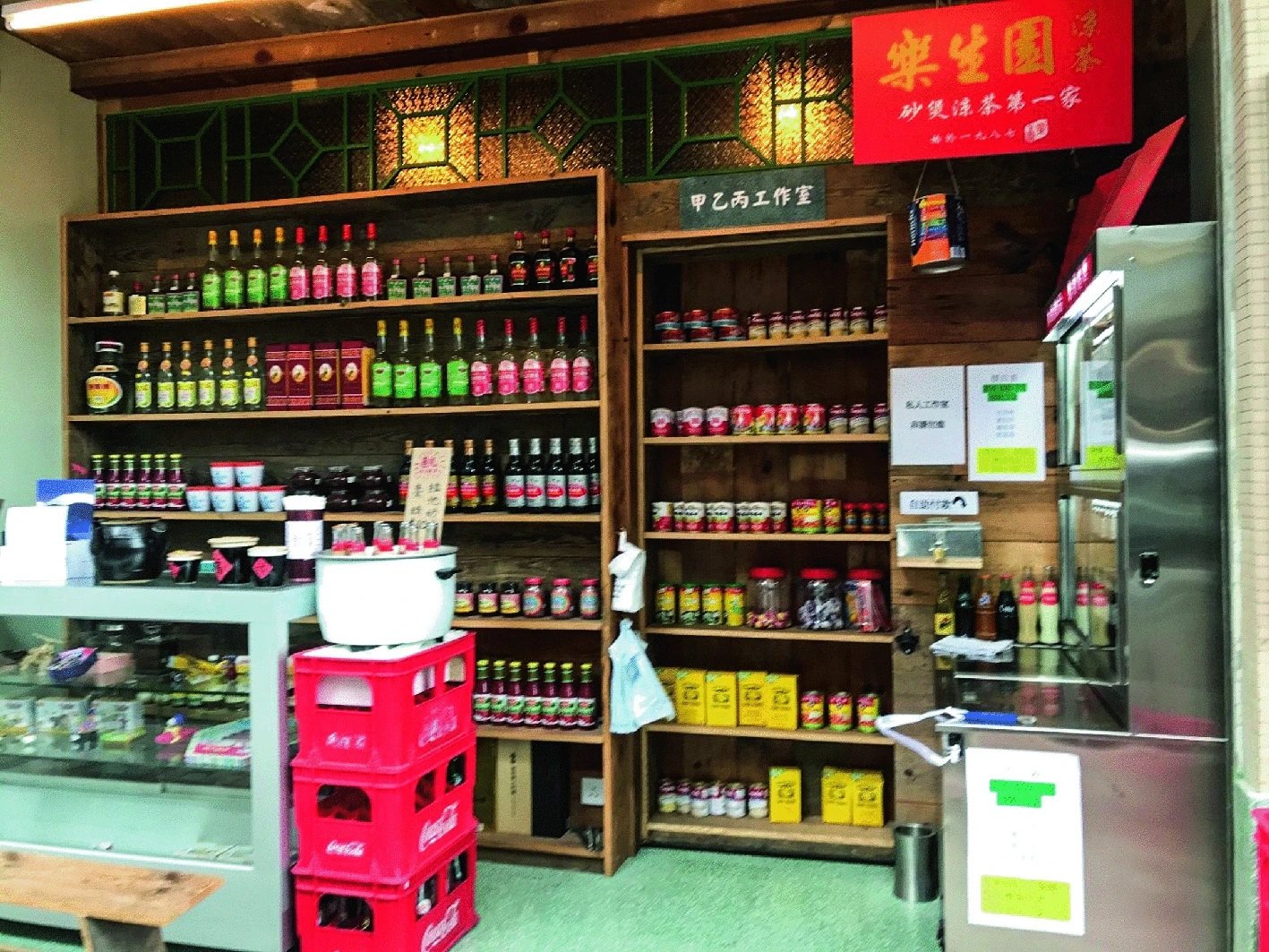
ONE STUDY PHOTOGRAPH
TWO HISTORICAL FASTGAN OUTPUTS

Selected examples, not all humanity. Pattern does not establish discrimination.
Lion / thesis ch.5, figs.5.1 + 5.3 / photograph: Miller & Lion (2022)
SD2112 · AI IN DESIGN · WEEK 09
25
RECALL / HEIDEGGER -> IHDE -> VERBEEK
Using a tool also shapes our experience.
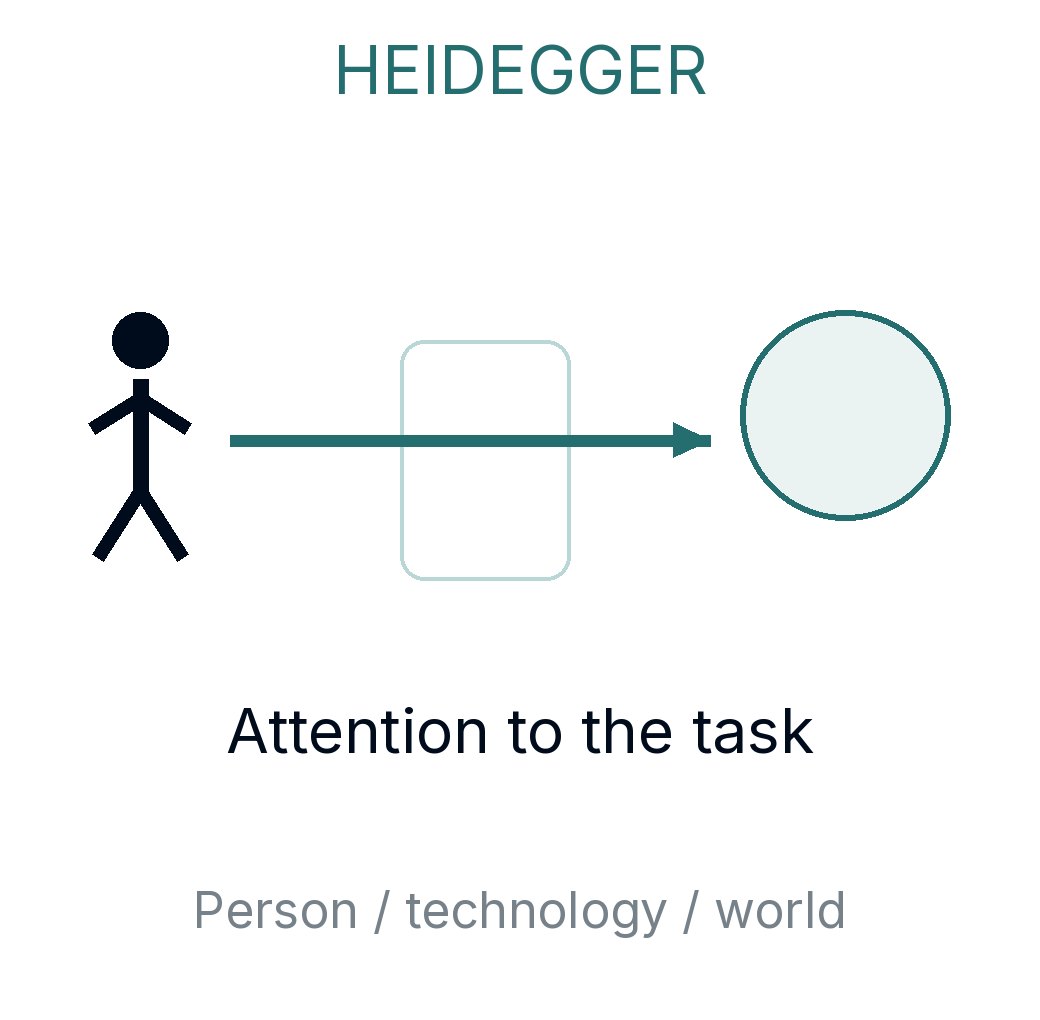
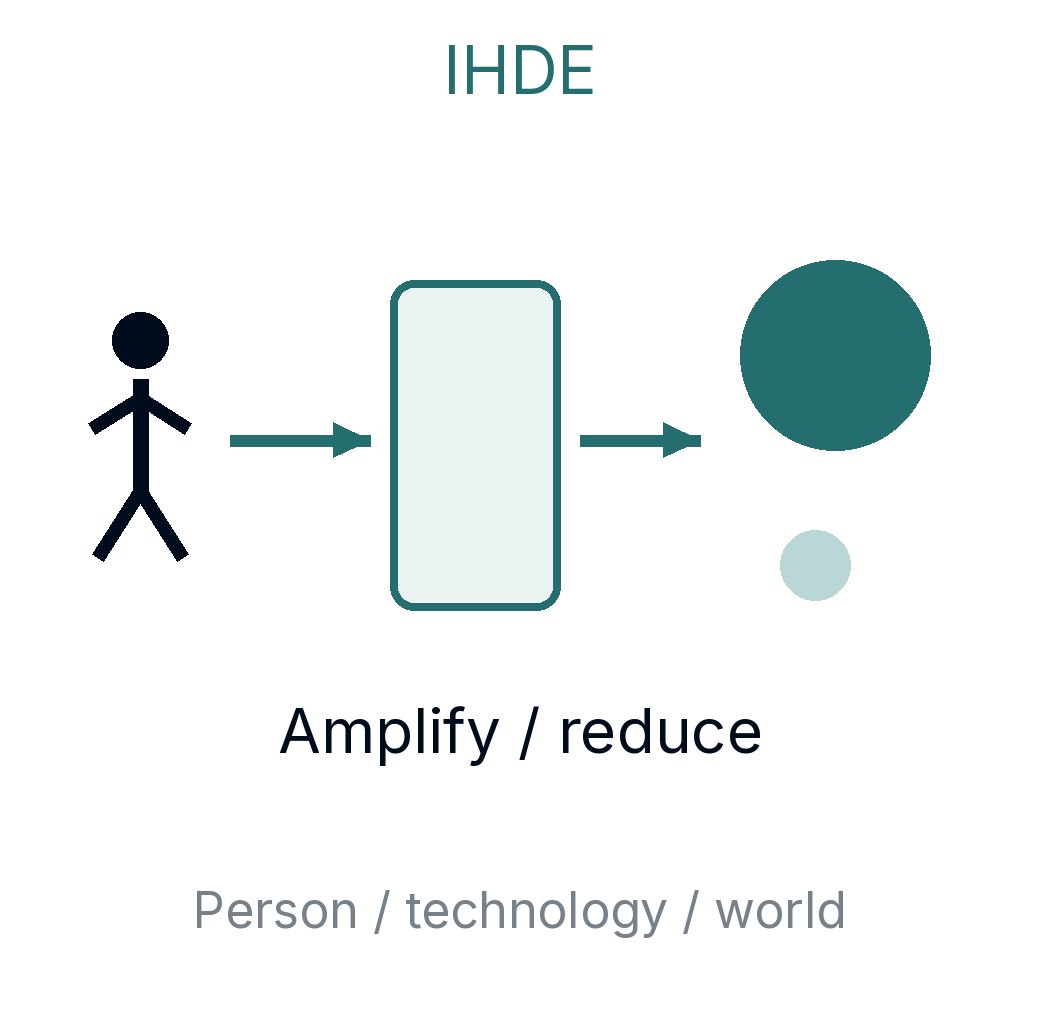
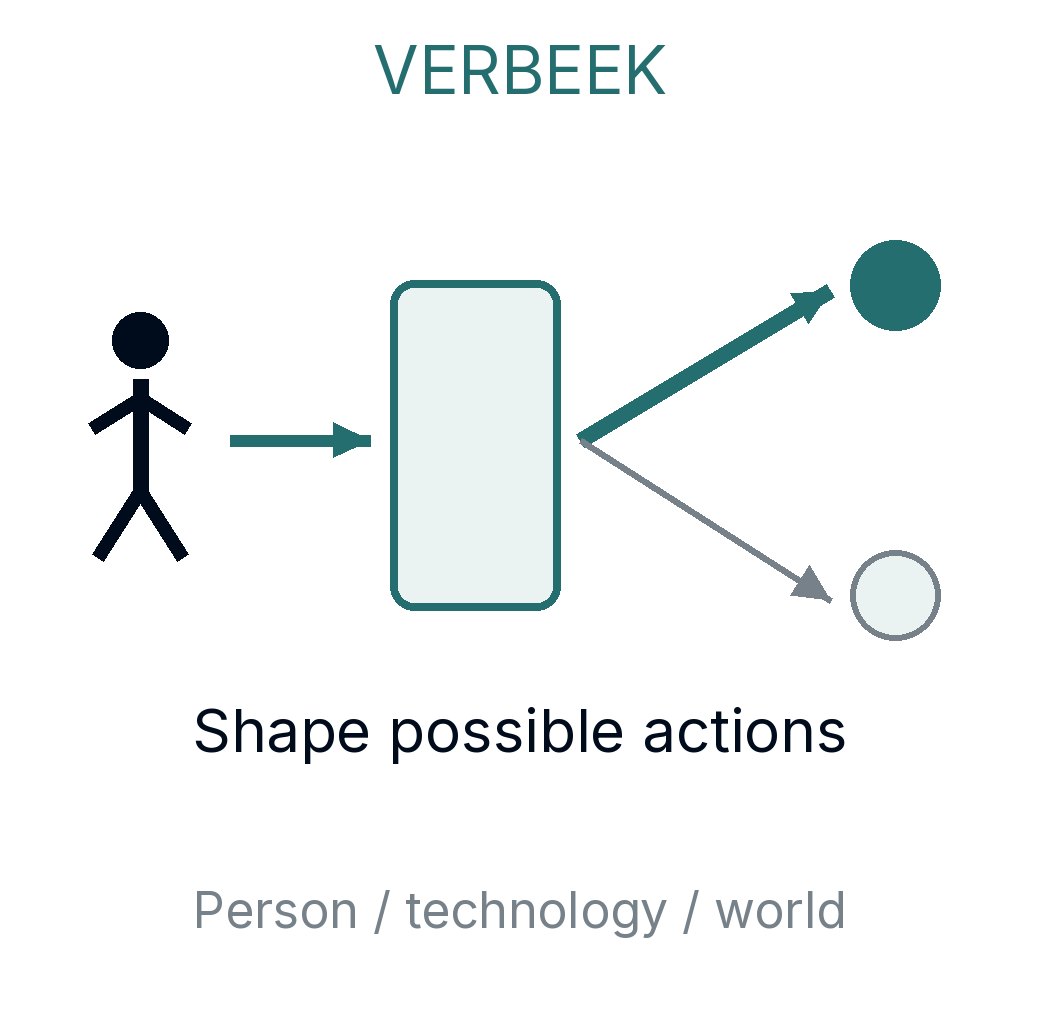
Related questions, not identical theories.
SD2112 · AI IN DESIGN · WEEK 09
26
INTRODUCING / YONI VAN DEN EEDE / 2011
Transparent in which sense?
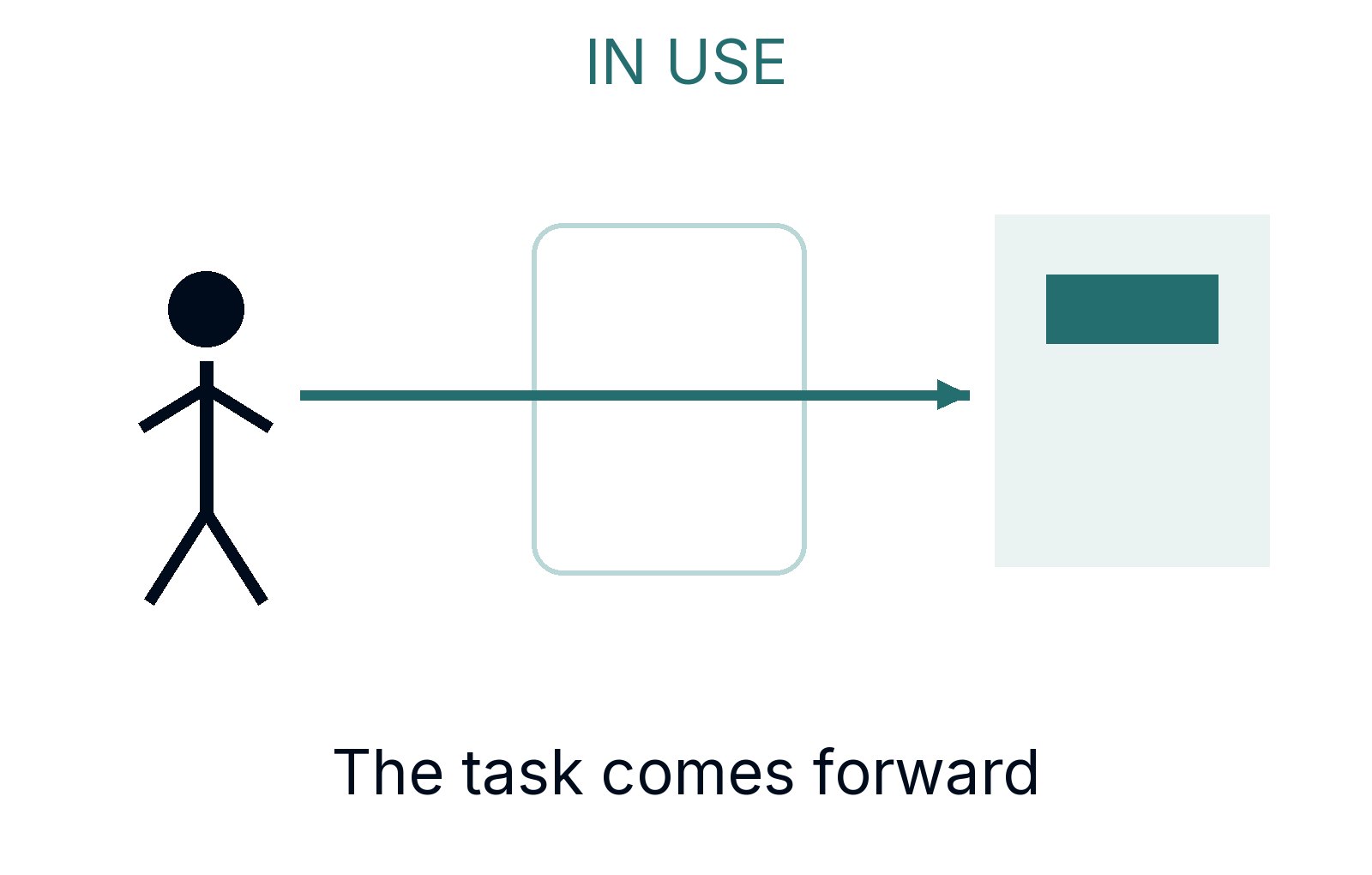
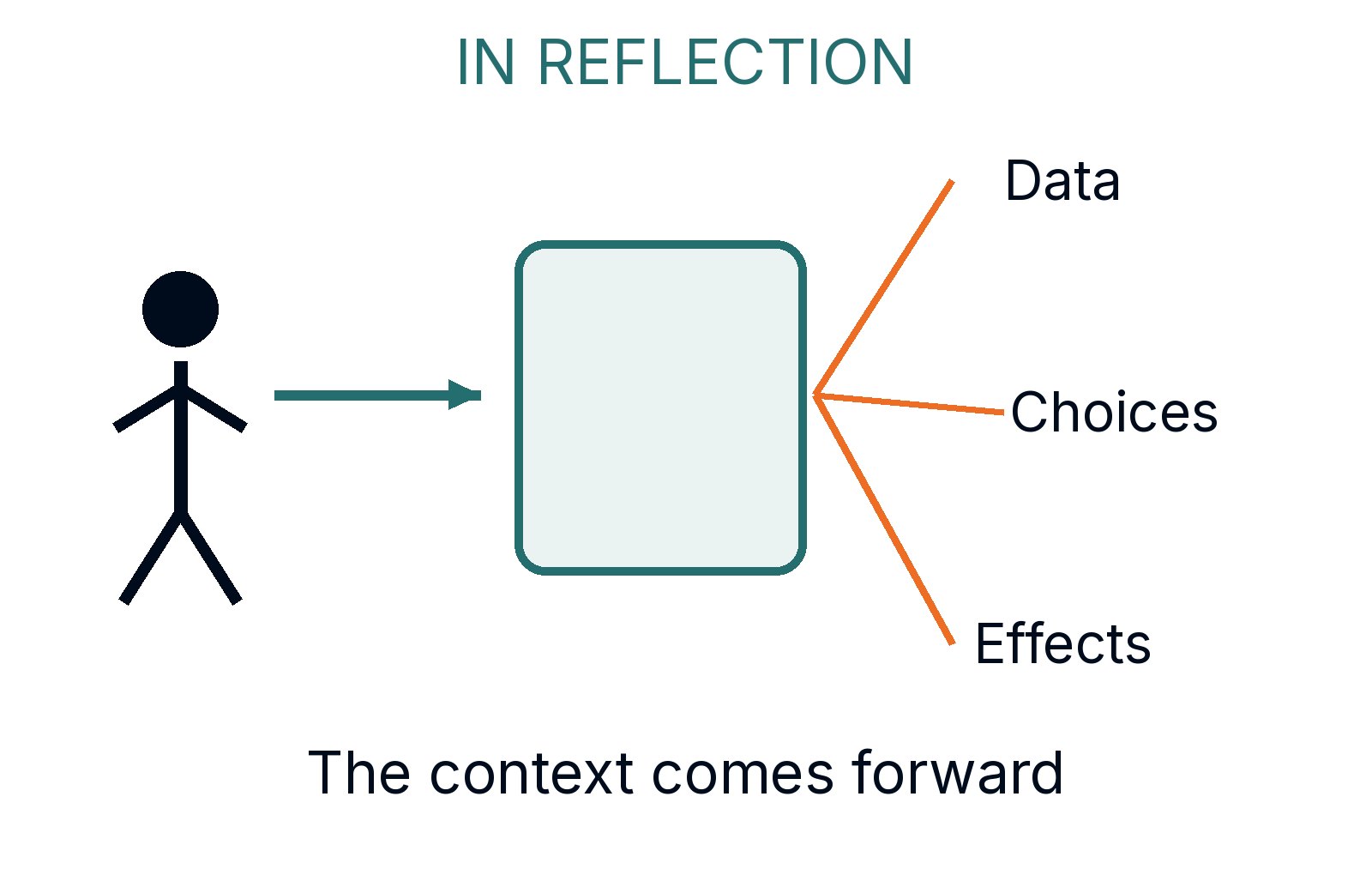
Double vision: use the tool and examine its mediation.
SD2112 · AI IN DESIGN · WEEK 09
27
REFLECTIVE USE / SAME SYSTEM, A DIFFERENT RELATION
Pause. Compare. Choose differently.
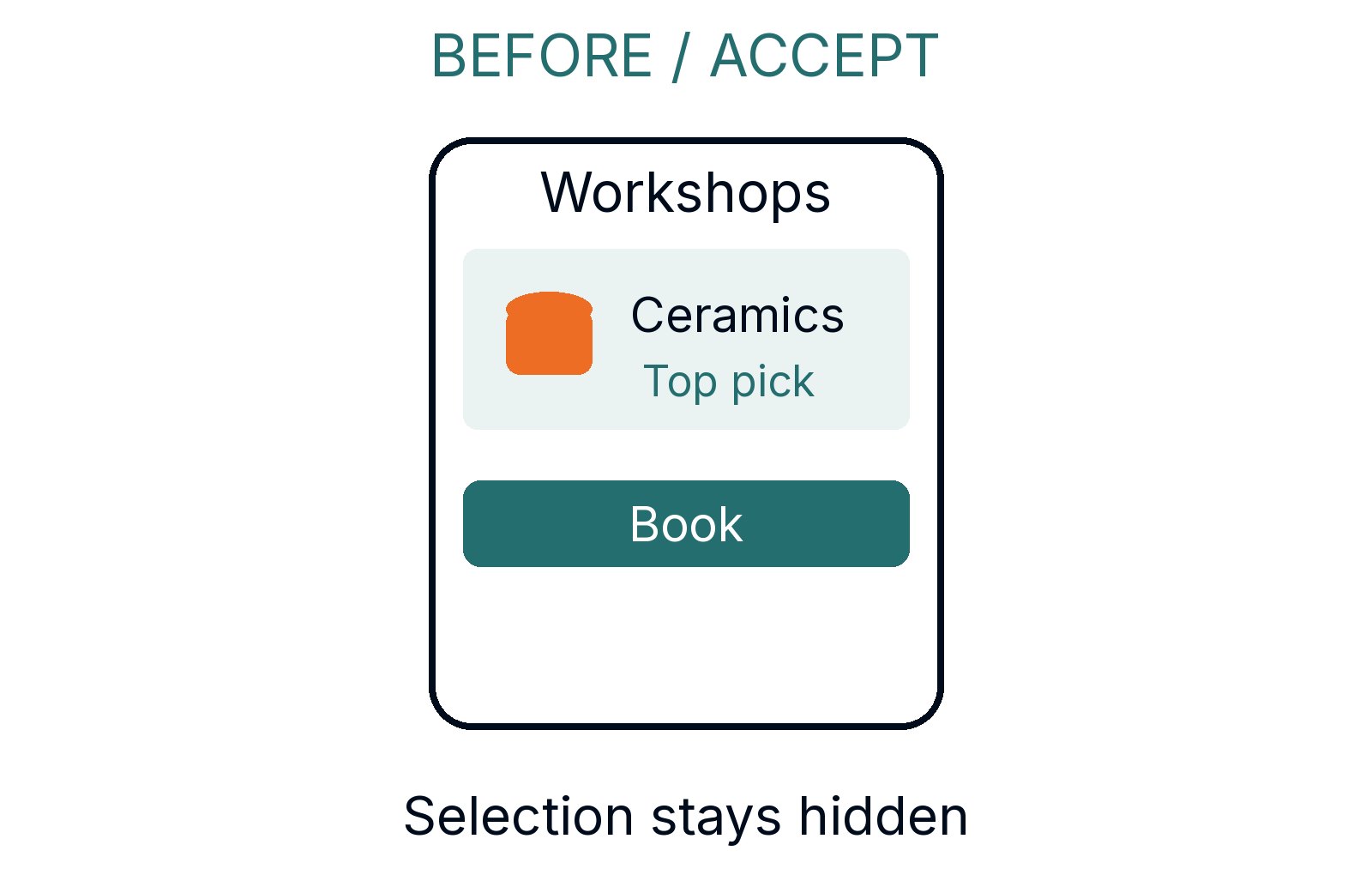
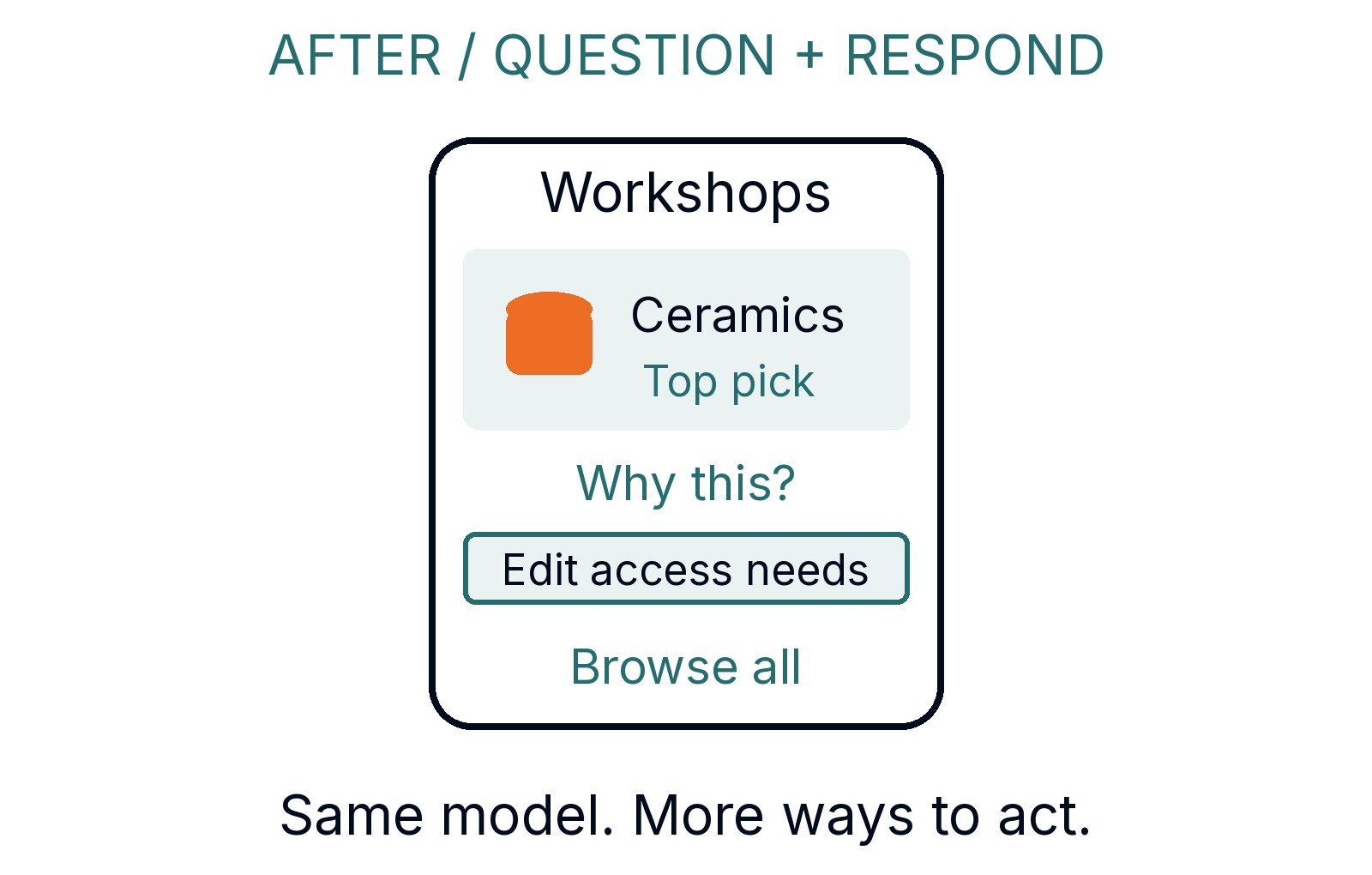
Illustrative interface; effectiveness is not established.
SD2112 · AI IN DESIGN · WEEK 09
28
04 / 60-75 / HOW SYSTEMS CHANGE US
A feed can change us.
Two studies. Different tasks. Bounded conclusions.
SD2112 · AI IN DESIGN · WEEK 09
29
THE STUDY / X FIELD EXPERIMENT IN 2023 / R2
Can changing a feed change people?
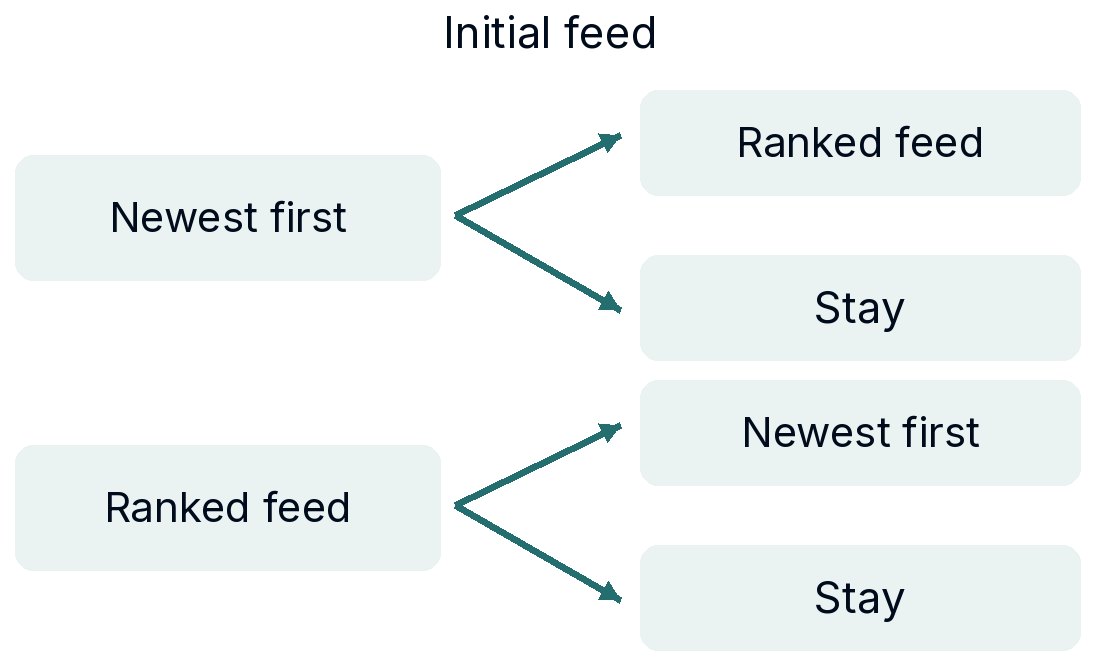
WHAT THEY DID
Randomly switch or keep US users' feeds for about 7 weeks.
ILLUSTRATIVE EXAMPLE
Two people start with newest-first feeds. One switches; one stays. Compare who they follow.
WHAT THEY CHECKED
Survey answers + followed accounts.
Survey: 4,965. Following: n=2,387. Earlier feed histories were not randomized.
SD2112 · AI IN DESIGN · WEEK 09
30
READ THE SOURCE / RESULT + LIMIT / R2
Following is not just a feed setting.
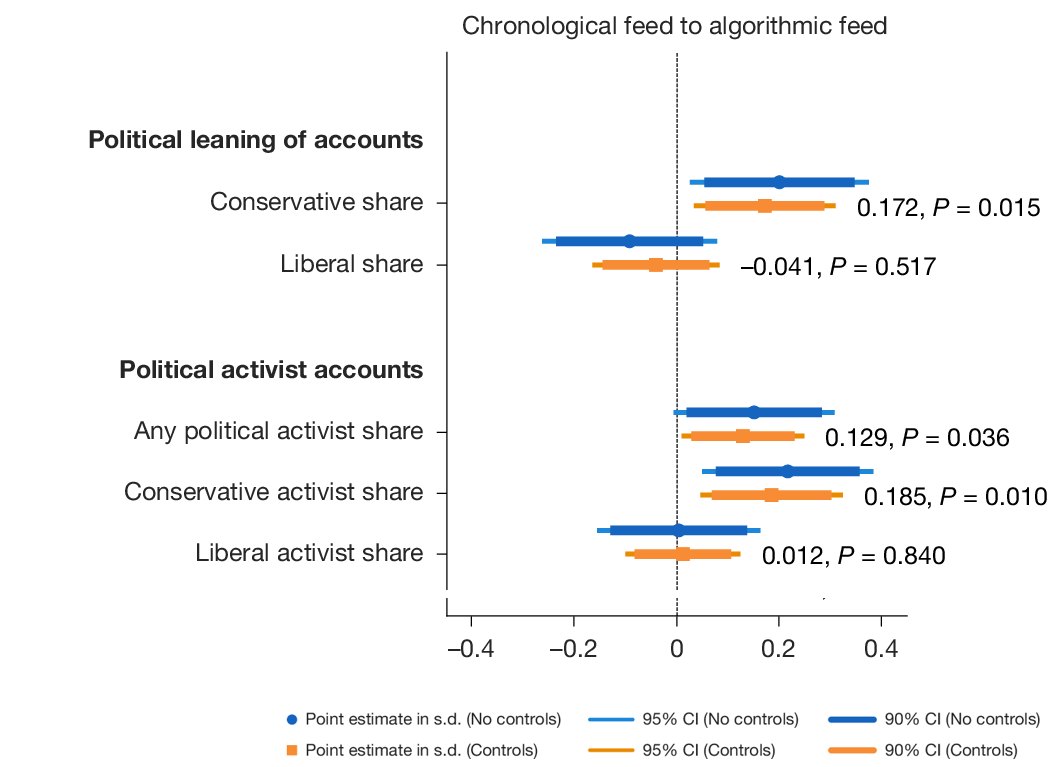
Switch ON / Figure 4 / assembled excerpt
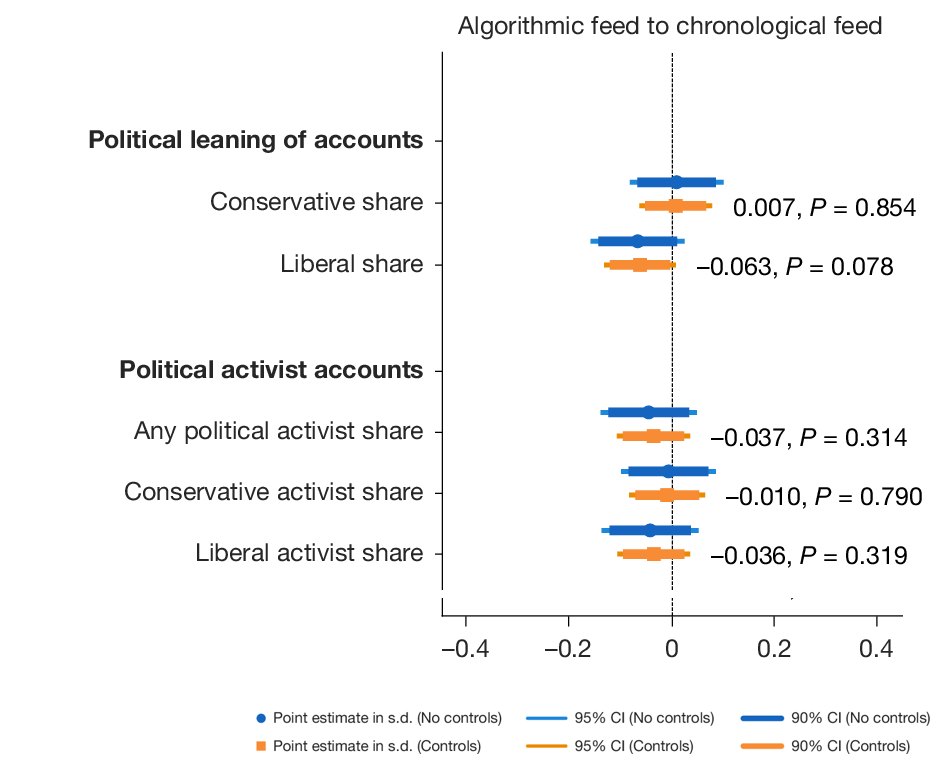
Switch OFF / Figure 4 / shared labels repeated
Switch ON / OFF: ranking.
Blue: basic analysis.
Orange: accounts for prior
participant differences.
Units: standard deviations.
Bars show uncertainty.
Crossing zero: no change
is still plausible.
Switch ON: more conservative
activist follows. Survey: no
clear polarization change.
Reset not tested.
SD2112 · AI IN DESIGN · WEEK 09
31
THE STUDY / CONTROLLED DOT-ESTIMATION TASK / R3
Can advice change your next judgement?
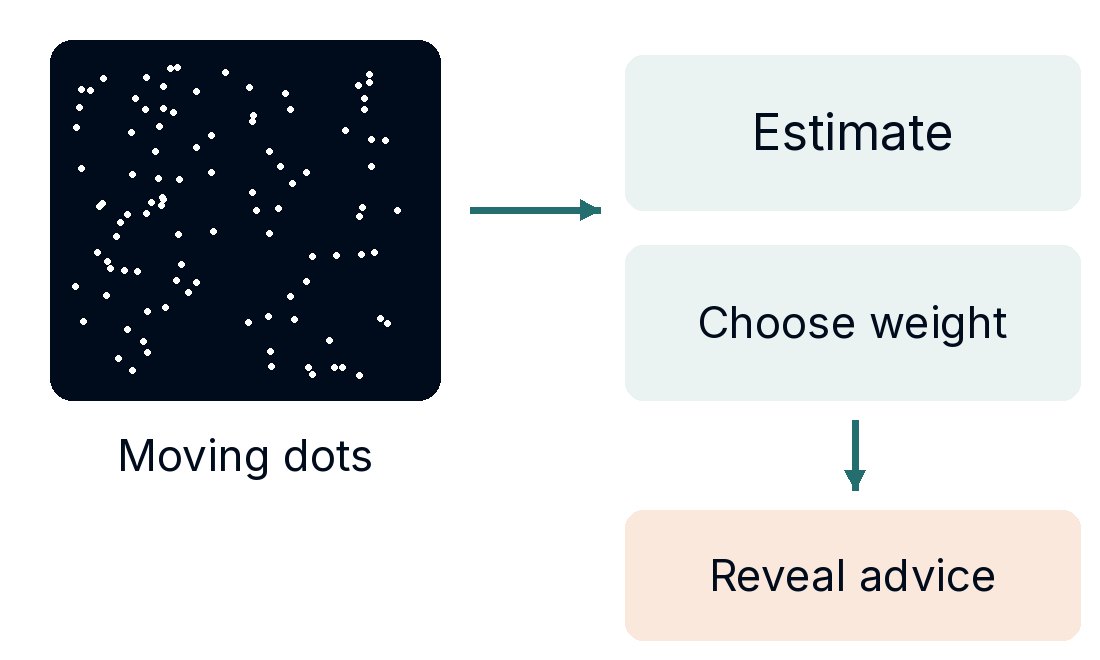
WHAT THEY DID
120 people guess how many dots move right, then receive advice.
WORKED EXAMPLE
Your guess: 53%. Advice: 73%.
Mix 40% of yours + 60% of advice = 65%.
LEARNING CHECK
Does your next unaided guess change?
ADAPTED FROM METHODS / 0-100% estimates; accurate, biased or noisy advice. Not a feed experiment.
SD2112 · AI IN DESIGN · WEEK 09
32
READ THE SOURCE / RESULT + LIMIT / R3
Estimate first. See the advice later.
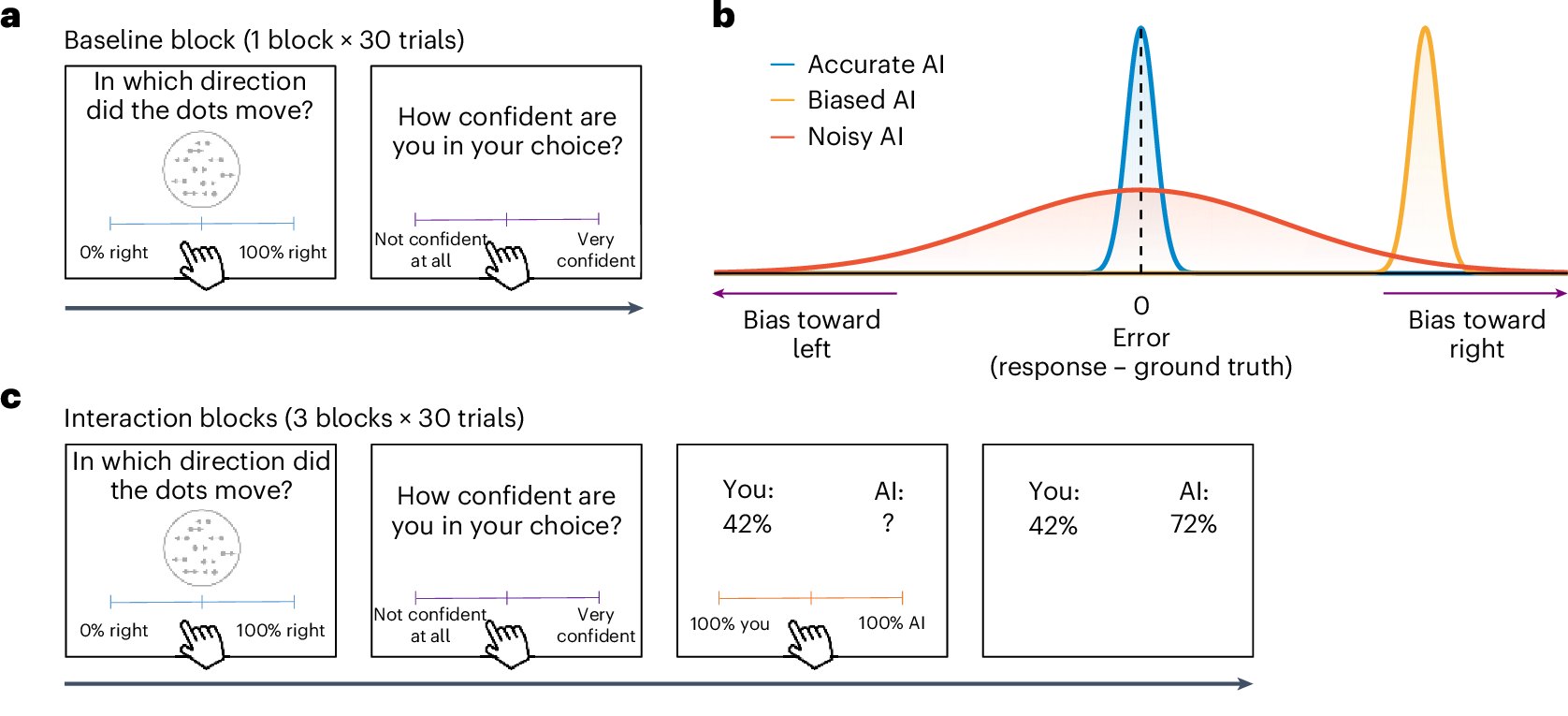
a: estimate moving dots.
b: three advice patterns.
c: estimate + choose weight
BEFORE seeing advice.
Later independent estimates:
learning, not current-answer copying.
Figure 2a-c / published HTML / online 2024
SD2112 · AI IN DESIGN · WEEK 09
33
THE RESULT / NOT A RECOMMENDER EFFECT SIZE / R3
Learning can go in either direction.
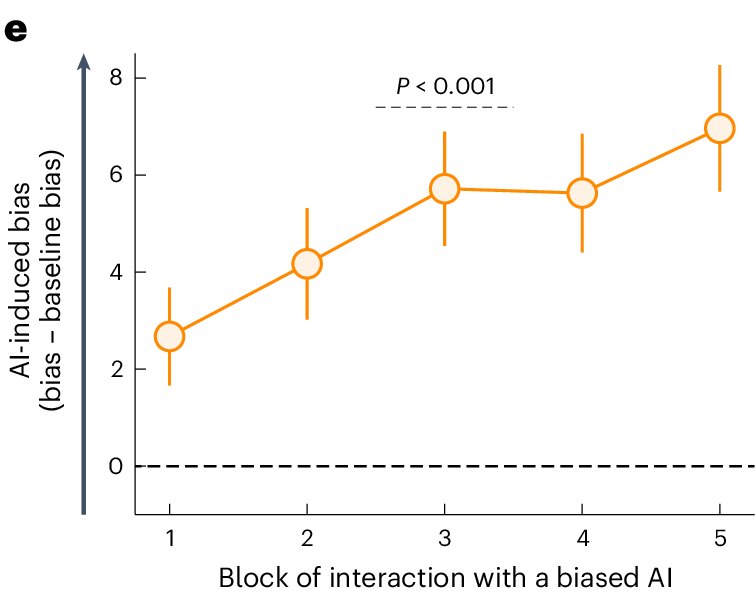
e / Biased advice: bias grew.
Bias minus baseline (percentage points); n=50.
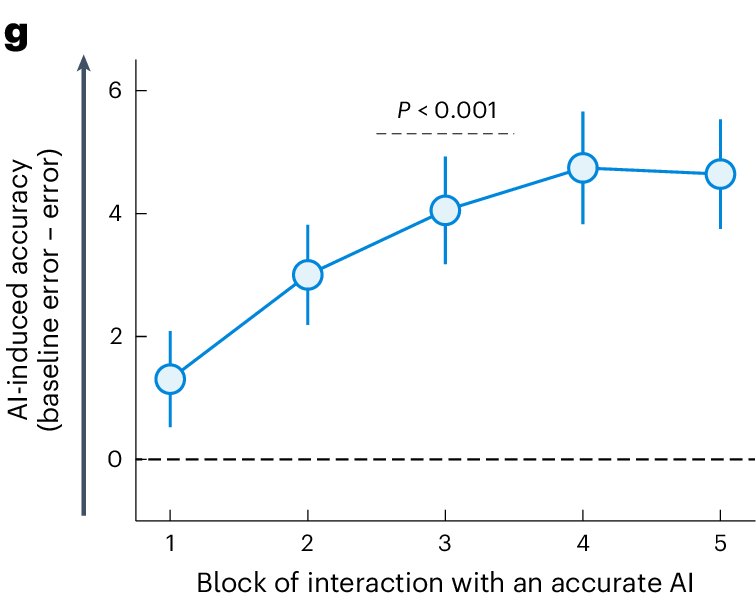
g / Accurate advice: estimates improved.
Baseline error minus current error; n=50.
Figure 2e,g / separate n=50 groups; bars = standard errors; x = five task blocks.
SD2112 · AI IN DESIGN · WEEK 09
34
COMPARE EVIDENCE / NOT "ALL FEEDS POLARIZE"
Different studies answer different questions.
STUDY
SYSTEM / TIME
WHAT TO CARRY FORWARD
R2 / field
X / 7 weeks
Mode and following can differ.
R3 / controlled
Task algorithms / sessions
Later judgement can change.
Your product
New context / unknown
Treat the transfer as a hypothesis.
Ask: platform / population / comparator / outcome / time. Keep the mismatch visible.
SD2112 · AI IN DESIGN · WEEK 09
35
75-90 / PROTECTED BREAK / RELATIVE CLASS TIME
Break.
15 minutes.
SD2112 · AI IN DESIGN · WEEK 09
36
90-105 / WORKED EXAMPLE / INVENTED, NOT STUDY DATA
From an experience to a harmful-bias claim.
01
Observation
Auto-captions miss an accent.
>
02
Harm
Important instructions are lost.
>
03
Project
Could our project exclude speakers?
Invented example, not a measured finding. Compare cases before claiming a pattern.
SD2112 · AI IN DESIGN · WEEK 09
37
SAME 15-MINUTE PREPARATION / RESEARCH TO RESPONSE
From a source to a mitigation proposal.
01
Research
Find evidence relevant to this harm.
>
02
Propose
Change data, model or interaction.
>
03
Check
Compare harm before and after.
Caption example: test across accents + allow corrections. Proposals, not proven fixes.
SD2112 · AI IN DESIGN · WEEK 09
38
05 / 105-125 / FIRST TEXT RESPONSE
Find and question harmful bias.
Experience. Harm. A possible project connection.
SD2112 · AI IN DESIGN · WEEK 09
39
ACTIVITY · 01 / EXPERIENCE + PROJECT / TEXT SUBMISSION
20 min
Where have you encountered harmful AI bias?
01
Recall
Your experience or a public case
>
02
Explain
What happened? Who was harmed?
>
03
Connect
Relate it to your project if possible
One team text response. Personal disclosure is optional.
No names or private details. You may use a public case.
Responses may identify you; not anonymous. Ungraded.
SD2112 · AI IN DESIGN · WEEK 09
40
WORK THROUGH THE COMPARISON
What makes this an example of bias?
01
Observation
Compared with what?
>
02
Interpretation
Which pattern?
>
03
Consequence
Who is affected?
>
04
Uncertainty
What else explains it?
A visible difference is a starting point, not yet an explanation.
SD2112 · AI IN DESIGN · WEEK 09
41
06 / 125-145 / SECOND TEXT RESPONSE
Research ways to reduce the harm.
Find evidence. Propose a response. Say what remains untested.
SD2112 · AI IN DESIGN · WEEK 09
42
ACTIVITY · 02 / RESEARCH + MITIGATION / TEXT SUBMISSION
20 min
How could this harmful bias be reduced or removed?
01
Research
Find credible sources for this case
>
02
Suggest
Ways to reduce or remove the harm
>
03
Submit
Proposal + source/link + evidence + limit
One team text response: 15 min research + 5 min synthesis.
No names or private details. Responses may identify you.
Not anonymous. Ungraded; no new Canvas deadline.
SD2112 · AI IN DESIGN · WEEK 09
43
MITIGATION / BENEFITS AND BURDENS
Who might this revision miss?
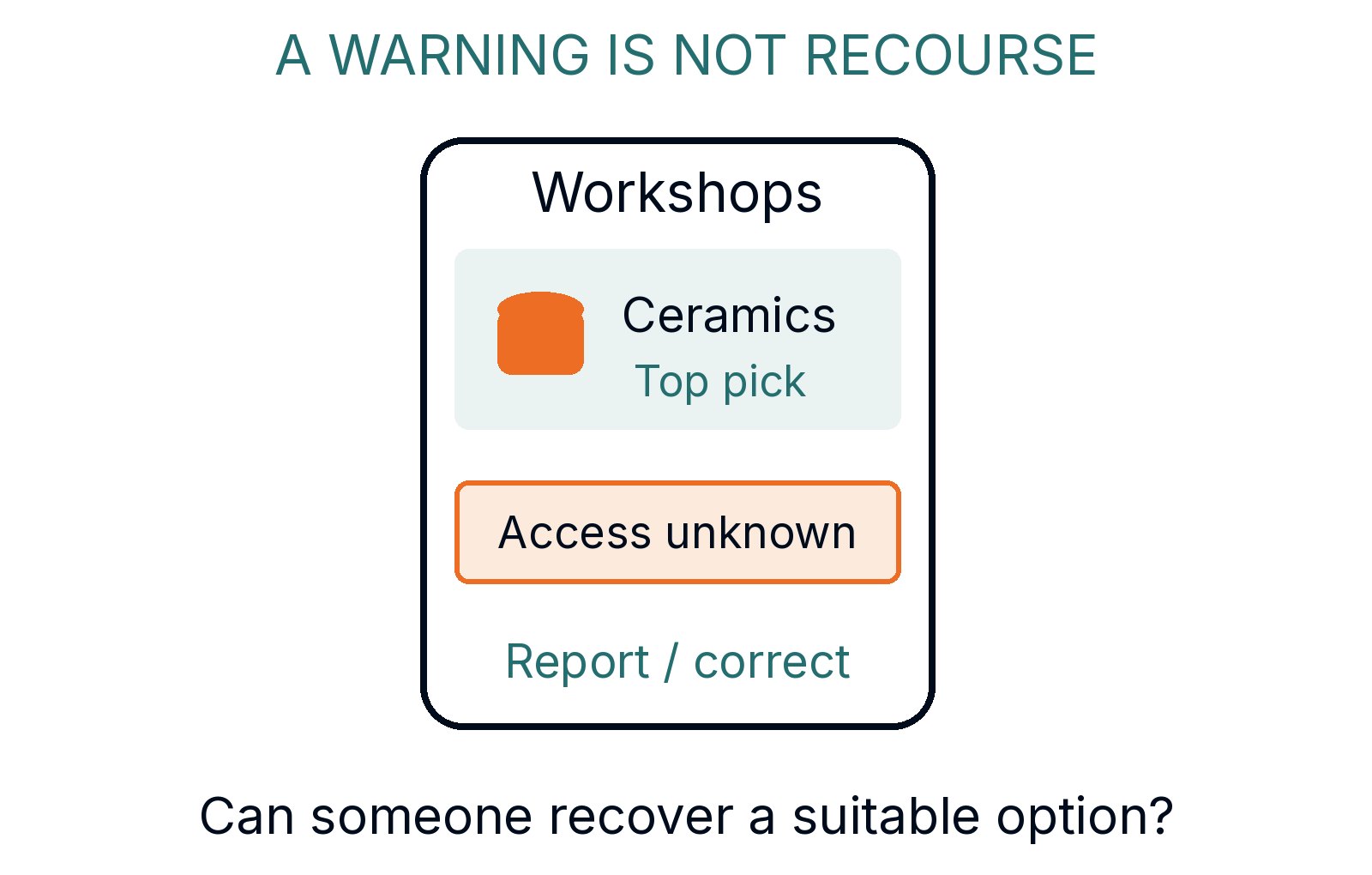
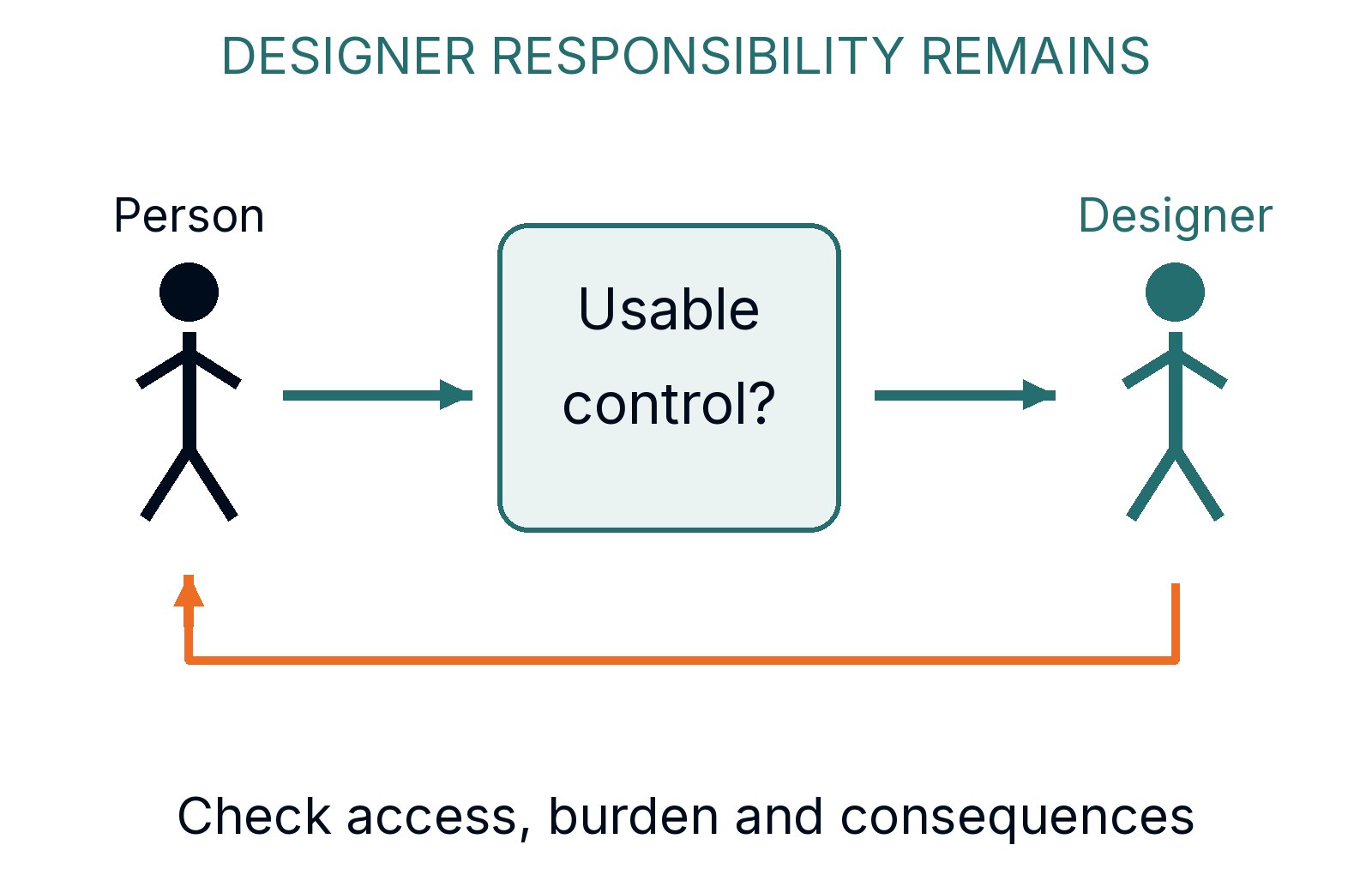
Awareness alone is not a fairness fix.
SD2112 · AI IN DESIGN · WEEK 09
44
WORK THROUGH THE COMPARISON
How would you check whether it helps?
01
Evidence
What does your source support?
>
02
Compare
Does the harm fall? For whom?
>
03
Limit
What would show the proposal failed?
Name a failure condition. Awareness alone is not a fairness fix.
SD2112 · AI IN DESIGN · WEEK 09
45
WORK THROUGH THE COMPARISON
From harmful bias to a researched response.
01
Example
Harm + project connection
>
02
Research
Proposed response + source
>
03
Uncertainty
What remains to be tested?
Discuss public or non-identifying examples only. No third submission.
SD2112 · AI IN DESIGN · WEEK 09
46
FINISH BY 13:20 / INTO REFRAMING AND PROTOTYPING
Keep the example and the open question.
Learning is selective. Harmful bias needs evidence and context.
Keep the example, researched response and what remains untested.
Reflective use can change mediation; it does not guarantee fairness.
Two in-class text responses. Existing concept board + bias register: check Canvas.
SD2112 · AI IN DESIGN · WEEK 09
47
NON-ASSIGNED / REFERENCE SHELF / R1 / HISTORICAL SYSTEM
Candidate generation is not ranking.
R1 / Covington, Adams & Sargin / RecSys 2016
Deep Neural Networks for YouTube Recommendations. RecSys 2016, pp. 191-198.
Section 2 + Figure 2: retrieve candidates, then rank a smaller set.
Section 4: a historical watch-time objective, not a map of today's product.
SD2112 · AI IN DESIGN · WEEK 09
48
NON-ASSIGNED / REFERENCE SHELF / R2 + R3 / PRIMARY FULL TEXTS
Read the design, not just the headline.
R2 / Gauthier, Hodler, Widmer & Zhuravskaya (2026)
The political effects of X's feed algorithm. Nature 652, 416-423. Design; Impact; Methods.
R3 / Glickman & Sharot / online 2024, issue 2025 · CC BY 4.0
Nature Human Behaviour 9, 345-359 (2025); online 18 Dec 2024. Results experiment 2; Methods.
SD2112 · AI IN DESIGN · WEEK 09
49
NON-ASSIGNED / REFERENCE SHELF / AUDIT + DOCUMENTATION
An average can hide a relevant difference.
R4 / Buolamwini & Gebru / Gender Shades, 2018 · CC BY 4.0
2018 audit: unequal intersectional errors in three binary gender classifiers. Not face identification or a recommender test.
R5 / Gebru et al. / Datasheets for Datasets / 2021 manuscript
Dataset questions: composition, collection, labels, uses and maintenance. Documentation is not proof of fairness.
SD2112 · AI IN DESIGN · WEEK 09
50
NON-ASSIGNED / REFERENCE SHELF / LEARNING + MEDIATION
Read the distinctions in context.
Mitchell (1980) / The Need for Biases in Learning Generalizations
Heidegger: Being and Time, sections 15-16. Ihde: Technology and the Lifeworld (1990).
SD2112 · AI IN DESIGN · WEEK 09
51
POLYU SCHOOL OF DESIGN / SD2112 / WEEK 09
AI bias, technological mediation and reflective use.
TODAY / FROM EXAMPLES TO REFLECTIVE USE
See how a system selects, ranks and learns.
Distinguish a learned pattern from an unfair outcome.
Ask how technology changes what we notice and do.
Find harmful bias. Research ways to reduce it.
DISCUSS / USER GOAL / SYSTEM PROXY / PERSON LEFT OUT
01 / 10-25 / HOW SYSTEMS SELECT
FROM THE AVAILABLE POOL TO WHAT YOU ACTUALLY SEE.
SYSTEM REPORT / NOT A PARTICIPANT EXPERIMENT / R1
WHAT IT DOES
Pick possible videos, then order them.
INVENTED EXAMPLE
Pick 100 workshops; show 10. If pottery misses the 100, ranking cannot rescue it.
DESIGN LESSON
Check what gets left out before ranking.
2016 system: compared model and feed versions. Engagement is not wellbeing.
READ THE SOURCE / RESULT + LIMIT / R1
Millions -> hundreds -> dozens.
Architecture, not an effect size.
2016 system.
Prediction and engagement, not wellbeing.
Excluded upstream?
Ranking cannot rescue it.
Figure 2 / PDF p.2 / RecSys 2016
10-25 / MECHANISM / ORIGINAL TEACHING SCHEMA
POOL
What exists?
>
CANDIDATES
What is eligible?
>
RANK
What comes first?
>
PRESENT
What gets seen?
>
FEEDBACK
What is recorded?
Feedback can change later suggestions.
People may change too; this is not inevitable.
CONTENT MATCHING / INVENTED FILMS
Matching features suggest a candidate, not tonight's perfect film.
EMBEDDINGS / TOY GEOMETRY
Q = [1, 0]
A = [0.8, 0.6]
cosine(Q,A) = 0.8
B = [0, 1]
cosine(Q,B) = 0
Near does not mean true, fair or suitable.
COLLABORATIVE FILTERING / MADE-UP INTERACTIONS
PERSON
FILM A
FILM B
FILM C
You
A: liked
B: liked
C: ?
Person P
A: liked
B: liked
C: liked
Person Q
A: ?
B: disliked
C: liked
? means unobserved, not disliked. A shared history suggests a candidate, not certainty.
COLD START / SPARSE DATA
NEW PERSON
Ask an optional preference, offer a useful default, or let the person browse.
NEW ITEM
Use item information or explore. Popularity alone can leave new items unseen.
MISSING SIGNAL
Was it irrelevant, inaccessible, unseen, or simply not needed today?
SPOKEN REFLECTION / NO COLLECTION
"Because you liked Film A."
Does this explain selection, order or visibility?
Which hidden choice matters?
What evidence makes the explanation faithful?
02 / 25-45 / WHEN PATTERNS BECOME PROBLEMS
FROM NOISY PROXIES TO THE PEOPLE HIDDEN BY AVERAGES.
BIAS / ONE WORD, DIFFERENT CLAIMS
Learning needs assumptions. Harm needs evidence.
VALUE / MEASURE
Measure task success, not just clicks.
FEEDBACK / CONCEPTUAL LOOP
Possible feedback, not a measured universal law.
EXPOSURE / ILLUSTRATIVE FEEDS
More variety is not proof of reduced polarization.
BIAS / LOCATE A DECISION, NOT JUST A BAD OUTPUT
COLLECTION + LABELS
Who is missing? Who decides what counts as relevant, safe or successful?
OBJECTIVE + RULES
What gets rewarded, filtered out or treated as an acceptable error?
INTERACTION
Whose past exposure becomes evidence for what should be shown next?
THE AUDIT / HISTORICAL CLASSIFIERS / R4
WHAT THEY DID
Test 3 gender classifiers on 1,270 portraits in 2017. Compare groups.
INVENTED EXAMPLE
5 wrong labels out of 100 tested = 5% error.
FAIR COMPARISON
Compare percentages, not raw error counts.
Historical binary labels; not identification. Dots are not sample counts.
READ THE SOURCE / RESULT + LIMIT / R4
DF/DM: darker female/male.
LF/LM: lighter female/male.
IBM error: All 12.1%.
DF 34.7% / LM 0.3%.
Within-group rates.
2017 binary classification.
Not identification.
Causes/current rates unknown.
Table 4 / PDF p.9 / PMLR 2018
DOCUMENTATION PROPOSAL / NOT AN EXPERIMENT / R5
WHAT THEY PROPOSE
Send a dataset with its backstory, not just its records.
INVENTED EXAMPLE
A workshop is tagged "relevant". Who chose that label? Who paid them?
DESIGN LESSON
Record what is known - and what is missing.
No experiment established improved fairness.
READ THE SOURCE / RESULT + LIMIT / R5
Who collected the data?
How were they paid?
Trace collection,
labels and correction.
Documentation makes questions visible.
It does not certify fairness.
Section 3.3 excerpt / PDF p.7 / arXiv v8
PRIVACY / A DATA BOUNDARY IS A DESIGN CHOICE
Collect. Infer. Retain. Share. Different decisions.
Which field or inference can you avoid?
What changes after correction, refusal or deletion?
Removing names does not establish anonymity.
03 / 45-60 / TECHNOLOGICAL MEDIATION
HOW A TECHNOLOGY SHAPES WHAT WE NOTICE, JUDGE AND DO.
FROM LEARNING TO MEDIATION
ONE STUDY PHOTOGRAPH
TWO HISTORICAL FASTGAN OUTPUTS
Selected examples, not all humanity. Pattern does not establish discrimination.
Lion / thesis ch.5, figs.5.1 + 5.3 / photograph: Miller & Lion (2022)
RECALL / HEIDEGGER -> IHDE -> VERBEEK
Related questions, not identical theories.
INTRODUCING / YONI VAN DEN EEDE / 2011
Double vision: use the tool and examine its mediation.
REFLECTIVE USE / SAME SYSTEM, A DIFFERENT RELATION
Illustrative interface; effectiveness is not established.
04 / 60-75 / HOW SYSTEMS CHANGE US
TWO STUDIES. DIFFERENT TASKS. BOUNDED CONCLUSIONS.
THE STUDY / X FIELD EXPERIMENT IN 2023 / R2
WHAT THEY DID
Randomly switch or keep US users' feeds for about 7 weeks.
ILLUSTRATIVE EXAMPLE
Two people start with newest-first feeds. One switches; one stays. Compare who they follow.
WHAT THEY CHECKED
Survey answers + followed accounts.
Survey: 4,965. Following: n=2,387. Earlier feed histories were not randomized.
READ THE SOURCE / RESULT + LIMIT / R2
Switch ON / Figure 4 / assembled excerpt
Switch OFF / Figure 4 / shared labels repeated
Switch ON / OFF: ranking.
Blue: basic analysis.
Orange: accounts for prior
participant differences.
Units: standard deviations.
Bars show uncertainty.
Crossing zero: no change
is still plausible.
Switch ON: more conservative
activist follows. Survey: no
clear polarization change.
Reset not tested.
THE STUDY / CONTROLLED DOT-ESTIMATION TASK / R3
WHAT THEY DID
120 people guess how many dots move right, then receive advice.
WORKED EXAMPLE
Your guess: 53%. Advice: 73%.
Mix 40% of yours + 60% of advice = 65%.
LEARNING CHECK
Does your next unaided guess change?
ADAPTED FROM METHODS / 0-100% estimates; accurate, biased or noisy advice. Not a feed experiment.
R3 / Glickman & Sharot / online 2024, issue 2025 · CC BY 4.0
READ THE SOURCE / RESULT + LIMIT / R3
a: estimate moving dots.
b: three advice patterns.
c: estimate + choose weight
BEFORE seeing advice.
Later independent estimates:
learning, not current-answer copying.
Figure 2a-c / published HTML / online 2024
R3 / Glickman & Sharot / online 2024, issue 2025 · CC BY 4.0
THE RESULT / NOT A RECOMMENDER EFFECT SIZE / R3
e / Biased advice: bias grew.
Bias minus baseline (percentage points); n=50.
g / Accurate advice: estimates improved.
Baseline error minus current error; n=50.
Figure 2e,g / separate n=50 groups; bars = standard errors; x = five task blocks.
R3 / Glickman & Sharot / online 2024, issue 2025 · CC BY 4.0
COMPARE EVIDENCE / NOT "ALL FEEDS POLARIZE"
STUDY
SYSTEM / TIME
WHAT TO CARRY FORWARD
R2 / field
X / 7 weeks
Mode and following can differ.
R3 / controlled
Task algorithms / sessions
Later judgement can change.
Your product
New context / unknown
Treat the transfer as a hypothesis.
Ask: platform / population / comparator / outcome / time. Keep the mismatch visible.
75-90 / PROTECTED BREAK / RELATIVE CLASS TIME
90-105 / WORKED EXAMPLE / INVENTED, NOT STUDY DATA
Observation
Auto-captions miss an accent.
>
Harm
Important instructions are lost.
>
Project
Could our project exclude speakers?
Invented example, not a measured finding. Compare cases before claiming a pattern.
SAME 15-MINUTE PREPARATION / RESEARCH TO RESPONSE
Research
Find evidence relevant to this harm.
>
Propose
Change data, model or interaction.
>
Check
Compare harm before and after.
Caption example: test across accents + allow corrections. Proposals, not proven fixes.
05 / 105-125 / FIRST TEXT RESPONSE
EXPERIENCE. HARM. A POSSIBLE PROJECT CONNECTION.
ACTIVITY · 01 / EXPERIENCE + PROJECT / TEXT SUBMISSION
Recall
Your experience or a public case
>
Explain
What happened? Who was harmed?
>
Connect
Relate it to your project if possible
One team text response. Personal disclosure is optional.
No names or private details. You may use a public case.
Responses may identify you; not anonymous. Ungraded.
ClassPoint · short answer — answer on the projector
WORK THROUGH THE COMPARISON
Observation
Compared with what?
>
Interpretation
Which pattern?
>
Consequence
Who is affected?
>
Uncertainty
What else explains it?
A visible difference is a starting point, not yet an explanation.
06 / 125-145 / SECOND TEXT RESPONSE
FIND EVIDENCE. PROPOSE A RESPONSE. SAY WHAT REMAINS UNTESTED.
ACTIVITY · 02 / RESEARCH + MITIGATION / TEXT SUBMISSION
Research
Find credible sources for this case
>
Suggest
Ways to reduce or remove the harm
>
Submit
Proposal + source/link + evidence + limit
One team text response: 15 min research + 5 min synthesis.
No names or private details. Responses may identify you.
Not anonymous. Ungraded; no new Canvas deadline.
ClassPoint · short answer — answer on the projector
MITIGATION / BENEFITS AND BURDENS
Awareness alone is not a fairness fix.
WORK THROUGH THE COMPARISON
Evidence
What does your source support?
>
Compare
Does the harm fall? For whom?
>
Limit
What would show the proposal failed?
Name a failure condition. Awareness alone is not a fairness fix.
WORK THROUGH THE COMPARISON
Example
Harm + project connection
>
Research
Proposed response + source
>
Uncertainty
What remains to be tested?
Discuss public or non-identifying examples only. No third submission.
FINISH BY 13:20 / INTO REFRAMING AND PROTOTYPING
Learning is selective. Harmful bias needs evidence and context.
Keep the example, researched response and what remains untested.
Reflective use can change mediation; it does not guarantee fairness.
Two in-class text responses. Existing concept board + bias register: check Canvas.
NON-ASSIGNED / REFERENCE SHELF / R1 / HISTORICAL SYSTEM
R1 / Covington, Adams & Sargin / RecSys 2016
Deep Neural Networks for YouTube Recommendations. RecSys 2016, pp. 191-198.
Section 2 + Figure 2: retrieve candidates, then rank a smaller set.
Section 4: a historical watch-time objective, not a map of today's product.
NON-ASSIGNED / REFERENCE SHELF / R2 + R3 / PRIMARY FULL TEXTS
R2 / Gauthier, Hodler, Widmer & Zhuravskaya (2026)
The political effects of X's feed algorithm. Nature 652, 416-423. Design; Impact; Methods.
R3 / Glickman & Sharot / online 2024, issue 2025 · CC BY 4.0
Nature Human Behaviour 9, 345-359 (2025); online 18 Dec 2024. Results experiment 2; Methods.
NON-ASSIGNED / REFERENCE SHELF / AUDIT + DOCUMENTATION
R4 / Buolamwini & Gebru / Gender Shades, 2018 · CC BY 4.0
2018 audit: unequal intersectional errors in three binary gender classifiers. Not face identification or a recommender test.
R5 / Gebru et al. / Datasheets for Datasets / 2021 manuscript
Dataset questions: composition, collection, labels, uses and maintenance. Documentation is not proof of fairness.
NON-ASSIGNED / REFERENCE SHELF / LEARNING + MEDIATION
Mitchell (1980) / The Need for Biases in Learning Generalizations
Heidegger: Being and Time, sections 15-16. Ihde: Technology and the Lifeworld (1990).