Open Easel Studio. Create one project for your personal mark.
Use the course-approved configuration; test a canvas and one image call.
If setup fails: PolyU GenAI for images; Open Design or your working harness.
Keep the same brief. Pair or use the prepared fallback if needed.
37
THE SHARED BRIEF · BEFORE THE TIMER
Make a mark that represents you.
Choose a name, nickname, invented character or personal symbol.
Write one sentence: what should this identity communicate?
Choose two things that must remain recognizable across all three routes.
Keep the same brief. A fictional identity is fine; no portrait is required.
38
REFLECTION SEED 2 · YOUR SHARED BRIEF
What should your mark never lose—even when a model reinterprets it?
Name a feature and why it matters to your intent—not only how it looks.
ClassPoint · short answer — answer on the projector
39
ACTIVITY · WORKSHOP · ONE BRIEF · THREE QUICK STUDIES
40 min
One identity. Three ways of making it.
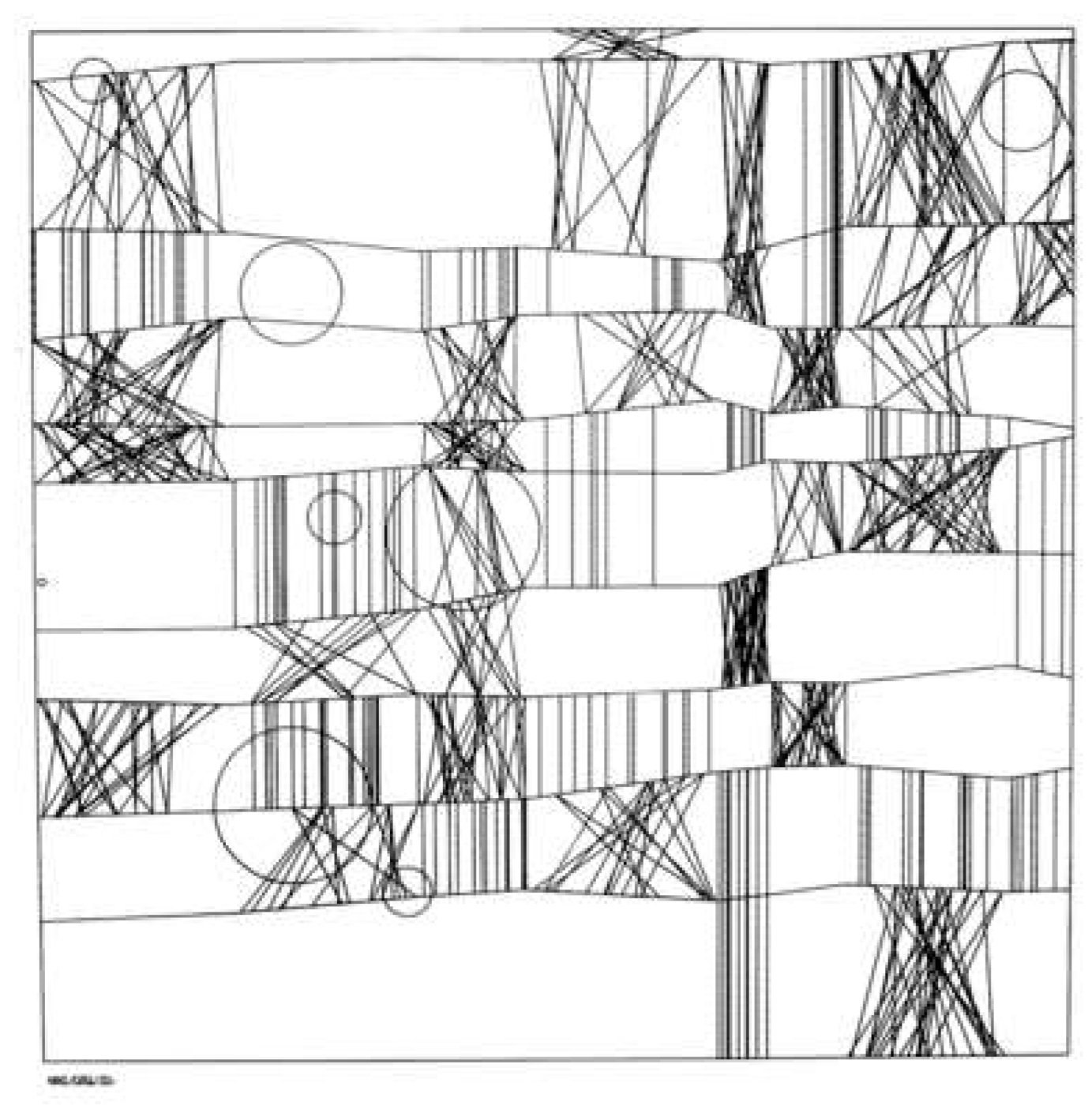
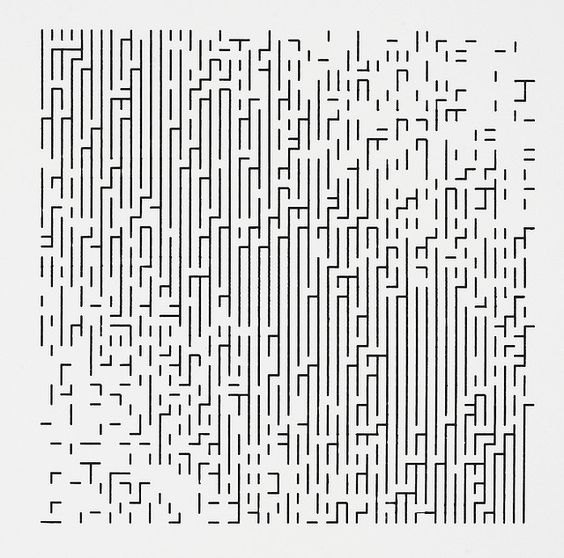
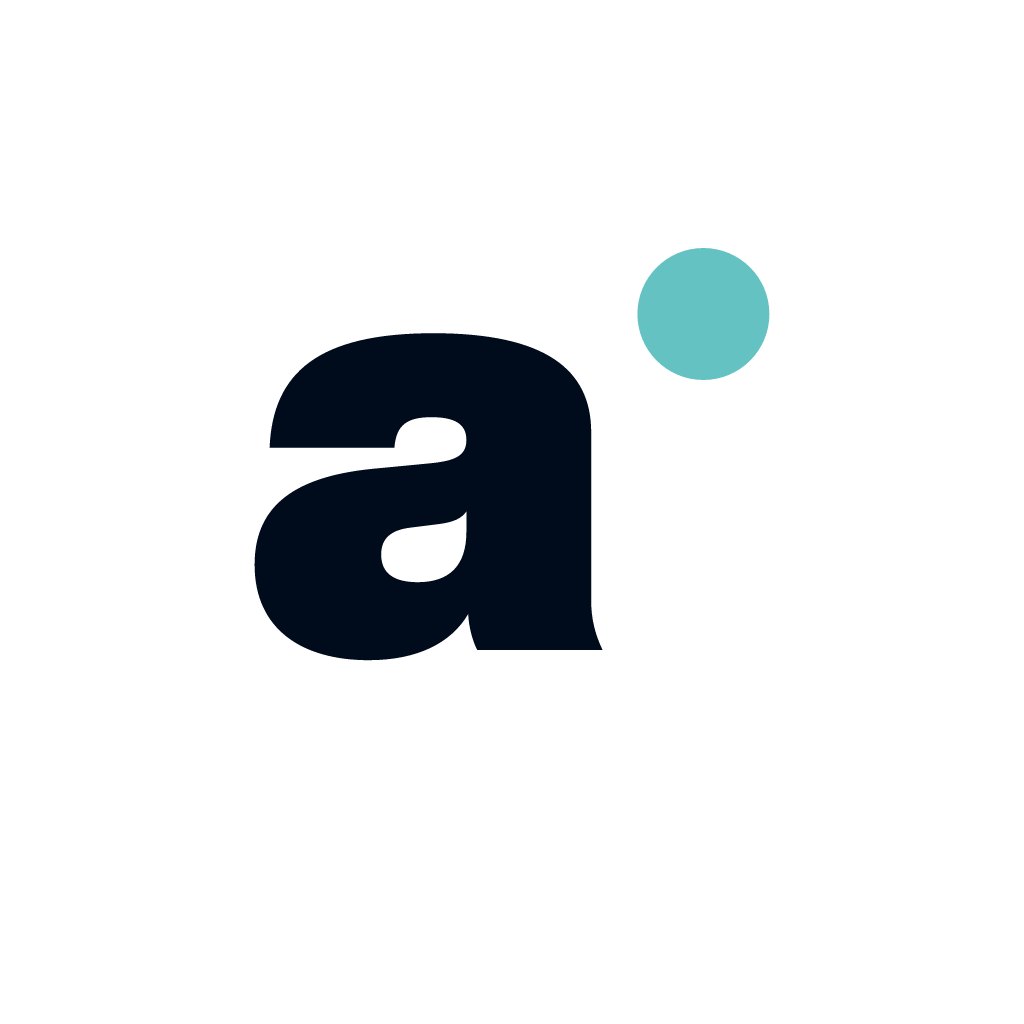
A · 10 min: code a mark; change one parameter.
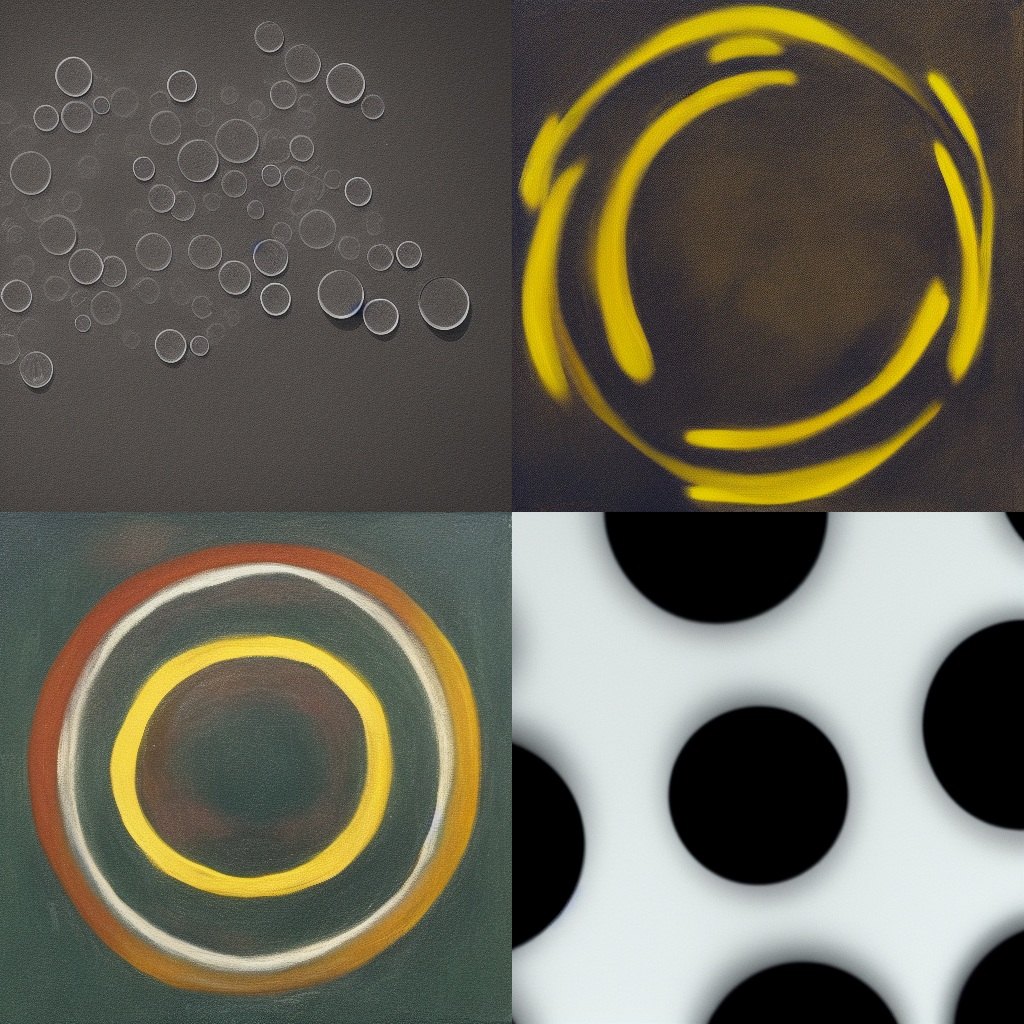
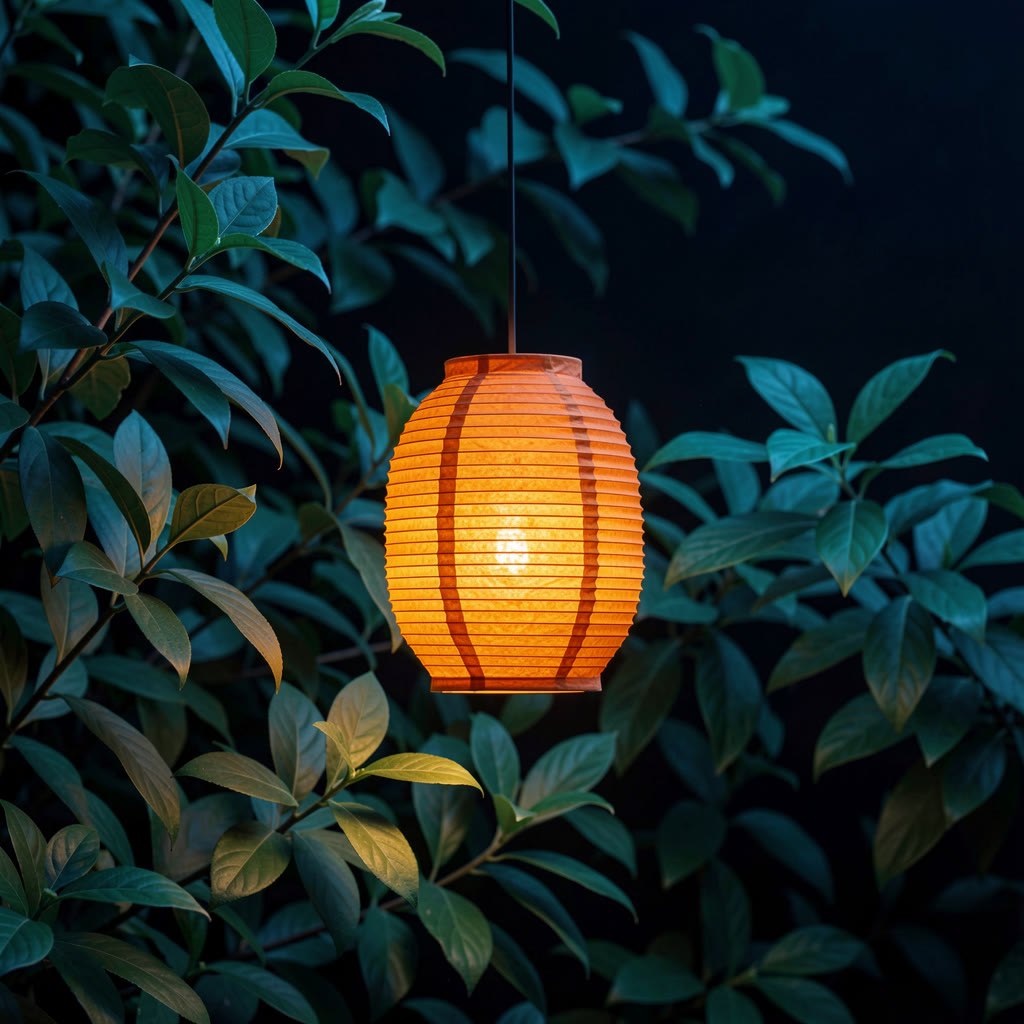
B · 10 min: generate an interpretation; inspect one model choice.
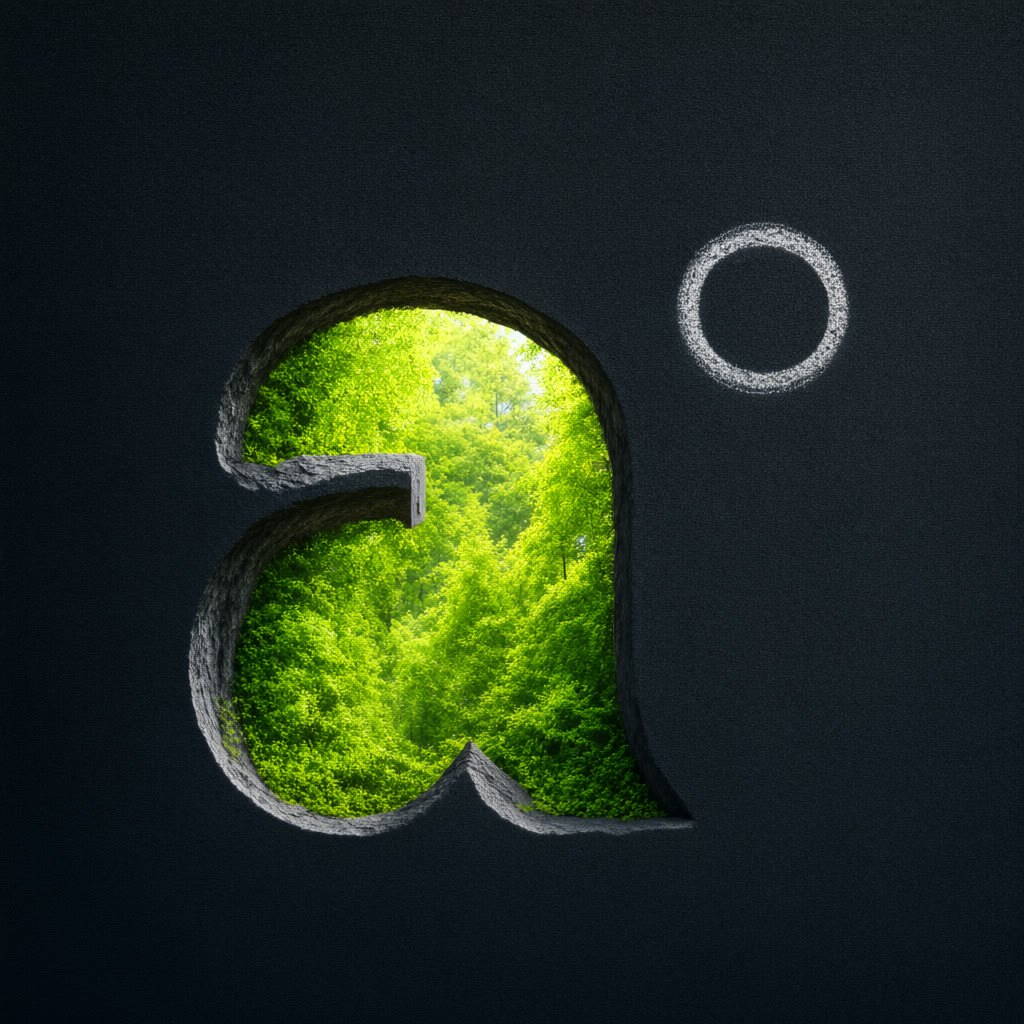
A+B · 15 min: combine generated pixels with the coded form.
Compare · 5 min: review your iterations; upload the final A+B image.
SAME IDENTITY
One sentence of intent.
Two recognizable features.

THREE ROUTES
A: rules
B: learned images
A+B: rules + generated pixels

One final image submission.
40
ACTIVITY · A · MACHINE A · RULES MAKE THE PICTURE
10 min
Code the mark.
Ask the agent for a simple SVG or Canvas mark from your shared brief.
Expose two parameters: spacing, stroke width, scale or colour.
Change one value. Check what changes and what stays fixed.
Save the code and one view of the mark.
ASK THE CODING AGENT
Use my shared identity brief.
Make HTML with SVG or Canvas.
No image-generation call here.
Expose two simple controls.
Preserve my two key features.

Machine B writes the code;
Machine A executes it.
41
ACTIVITY · B · MACHINE B · PATTERNS PROPOSE THE PICTURE
10 min
Generate an interpretation.
Ask the agent to generate images from the same identity brief.
Explore one material, texture or atmosphere; keep one candidate.
Identify one visible choice the model added or changed.
Save the image, prompt and model name if available.
ASK THE AGENT
Use my shared identity brief.
Call the image-generation tool.
Keep the two key features.
Explore material and atmosphere.
Do not depend on exact lettering.

Save the returned image asset.
Keep it for A+B.
42
ACTIVITY · A+B · MACHINE A + MACHINE B
15 min
Keep the form. Borrow the surface.
Give the agent your A code and saved B assets as image inputs.
Clip the image, or a cropped region, inside your coded silhouette.
Refine your final version: code controls form; pixels supply the surface.
Three.js is optional: use a texture on a coded surface or mark.
ASK THE CODING AGENT
Keep my A silhouette and controls.
Use the saved B image as a texture.
Use SVG clipping or Canvas masking.
Let me change crop, scale or offset.
Reuse the asset; do not regenerate.

Optional: bundled Three.js kit.
No external CDN imports.
43
COMPARE · 5 MIN · FINAL IMAGE SUBMISSION
Upload your final A+B image.
One image of your third exercise: export the result or take a screenshot.
Submit the final version, not a comparison sheet of all three.
ClassPoint · image upload — answer on the projector
44
OPTIONAL EXTRA · VIDEO SUBMISSION
Optional: animate your final version.
Ask the Easel agent to animate your final version.
Record the animated canvas, or use video generation if available.
Upload a playable clip in the optional video activity, or skip this.
Your final image completes the workshop.
45
CHALLENGE 4 · BRING TO WEEK 6
Three routes. One comparison layout.
YOUR IDENTITY
Keep the shared brief.
One sentence of intent, two recognizable features, and the A / B / A+B views.
YOUR PROCESS
Keep the evidence.
Code, image prompt, model/tool details and one deliberate change with its effect.
YOUR JUDGEMENT
Explain the trade-off.
What did rules enforce? What did the model invent? Was the hybrid worth it?
46
KEEP A PROCESS RECORD · WEEK 7 REFLECTION
Turn a result into an argument.
Return to a ClassPoint question: make a claim about your creative process.
Support it with a decision and evidence: images, code, prompts or revisions.
Compare A and B. What did each make possible, difficult or likely?
About 1000 words; three of your own experiments with images; an AI-writing process note.
47
Rules. Patterns. Your decisions.
You chose what each machine could decide—and what it could not.